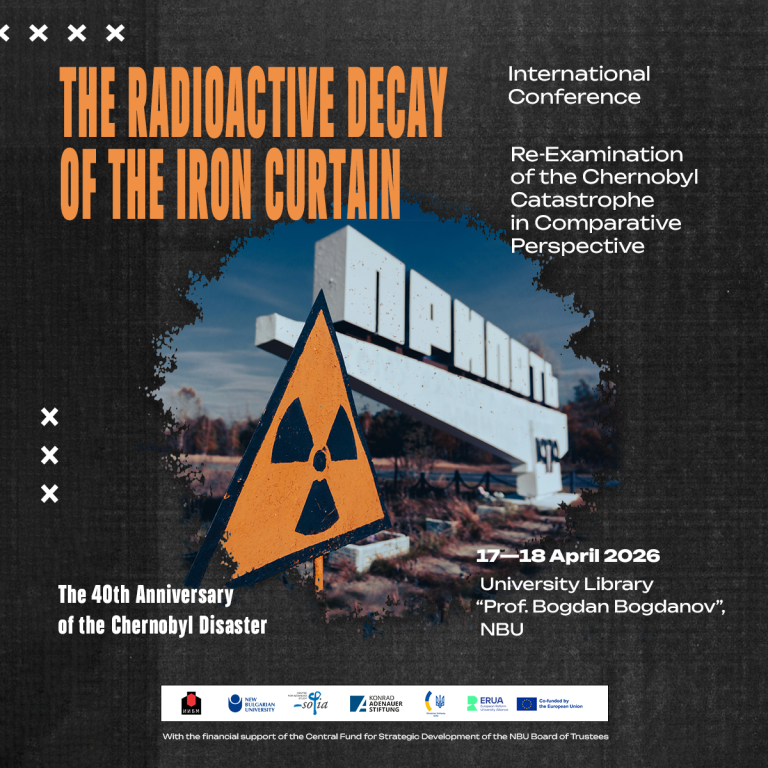
The Radioactive Decay of the Iron Curtain: Re-Examination of the Chernobyl Catastrophe in Comparative Perspective
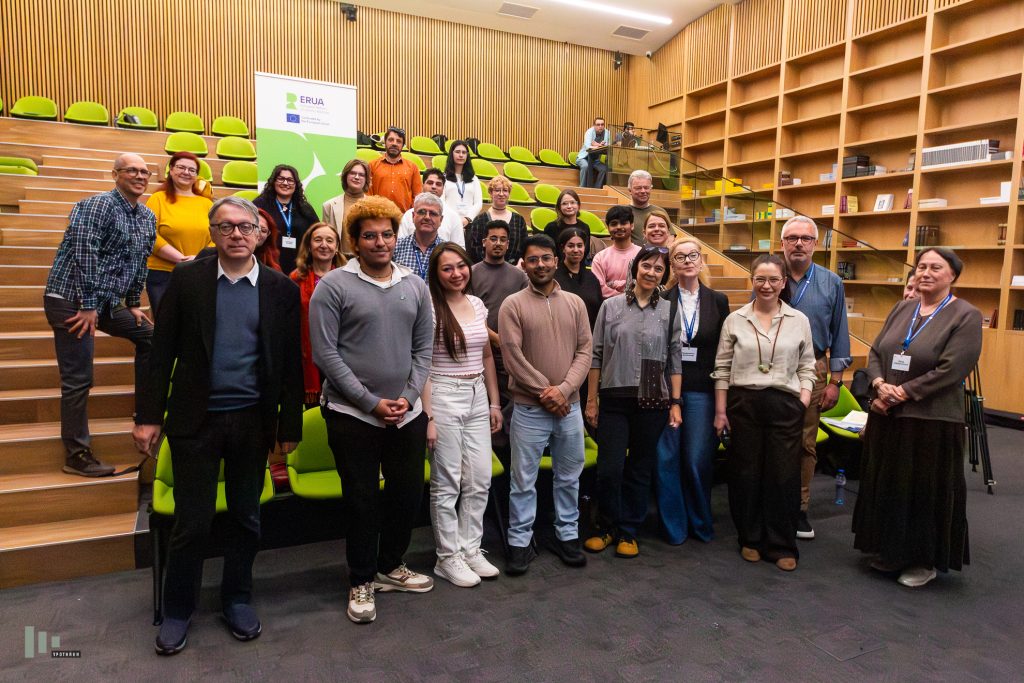
An international conference took place on April 17–18, 2026, at New Bulgarian University, dedicated to examining the long-term consequences of the Chernobyl disaster. Researchers from Bulgaria, the United States, Ukraine, Poland, Italy, Ireland, Scotland, Hungary, and Switzerland attended the event.
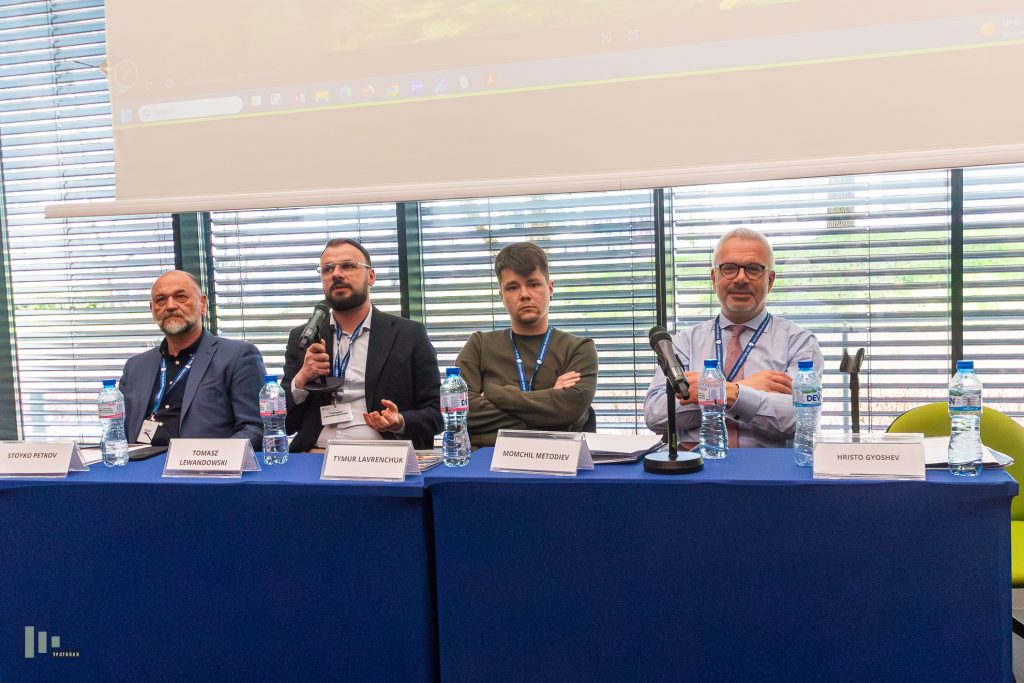
The first day of the conference focused on the political, social, and health consequences of the Chernobyl disaster, as well as on the role of communist regimes and institutional responses. Particular attention was given to the demographic effects across Eastern Europe, disinformation and media coverage, and comparative analyses of state security services. Special emphasis was also placed on the Ukrainian perspective through historical and contemporary parallels (1986–2022), personal testimonies, and the theme of cultural memory, including books and documentary film.
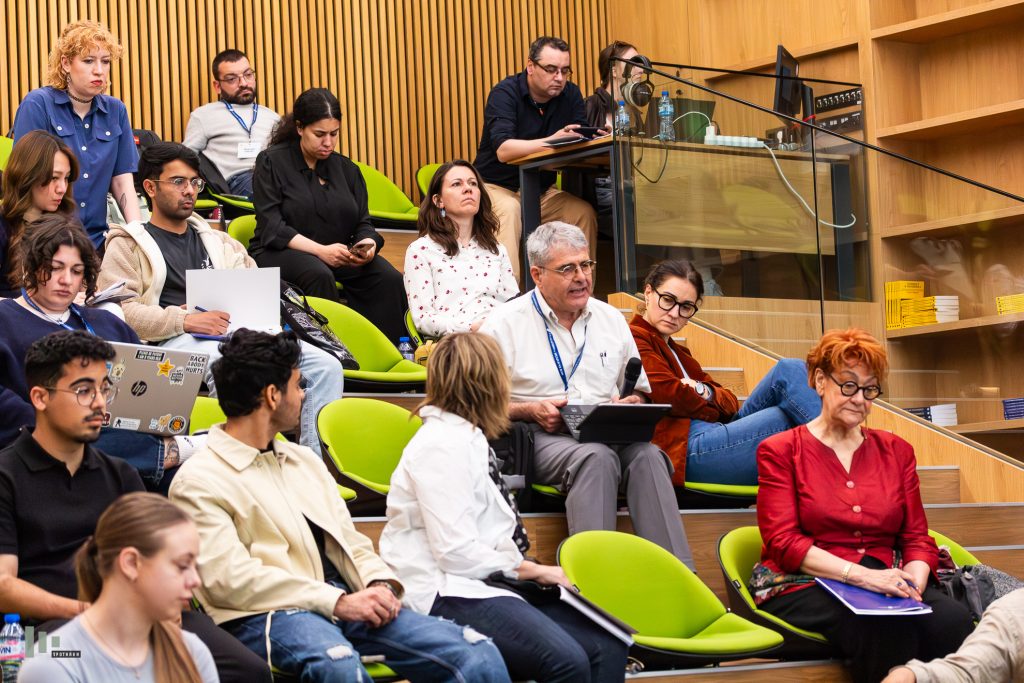
The second day highlighted the environmental consequences of the disaster and the growing public sensitivity to these issues. Discussions addressed nuclear safety in times of peace and war, as well as the role of international regulation in managing nuclear risks. Additional themes included media responses in Central and Eastern Europe, youth perceptions and educational approaches, and the representation of Chernobyl in cinema and literature.
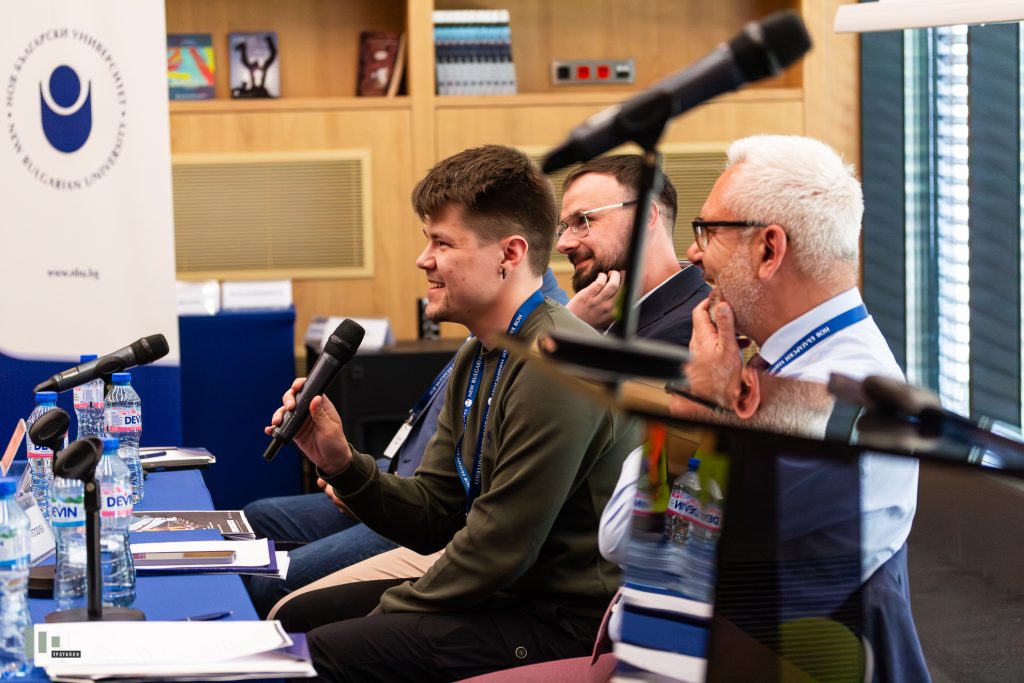
The conference reports are to be published in the new academic publication of NBU Acta Nova Humanistica by the end of 2026. You can check the participants and their topics here.
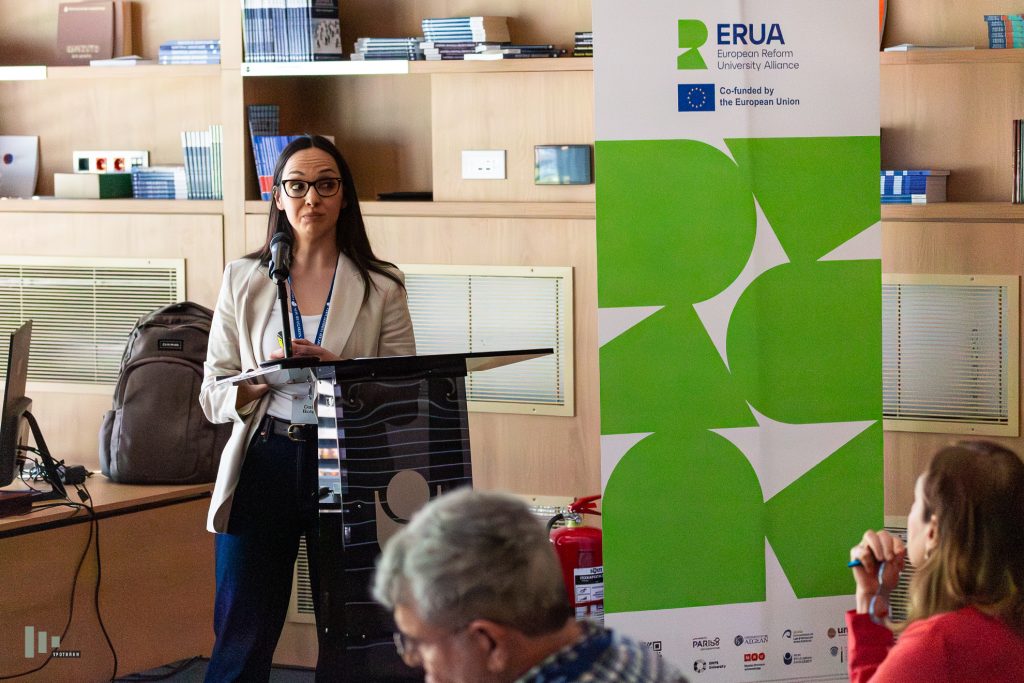
The conference concluded with a discussion and workshop featuring students from the ERUA university alliance. Participants explored various approaches to communicating the Chernobyl story to younger audiences, drawing on insights gained throughout the conference.

The workshop began with role-playing exercises, where students enacted crisis response scenarios based on assigned roles – including a parent, school principal, military officer, and education minister. This was followed by a discussion on the potential of documentary filmmaking to convey the tragedy and aftermath of the Chernobyl disaster.

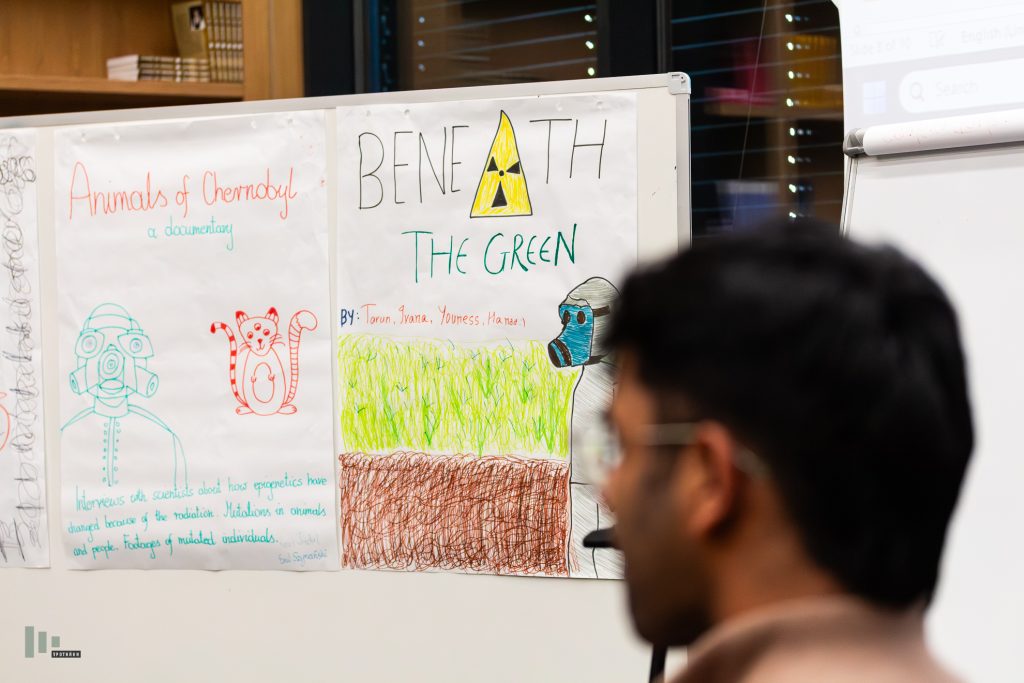
In the final segment, students were divided into three groups and tasked with developing concepts for a documentary film, including designing promotional posters. Each group determined their own thematic emphasis for the film concept and sketched out their ideas for film posters.
Here is what one of the participants wrote after the conference:
I would like to express my sincere gratitude for the opportunity to participate in the conference at NBU. It was an exceptionally enriching experience. I was particularly impressed by the interdisciplinary nature of the discussions and the openness of all participants. The exchange of perspectives across different fields created a truly stimulating intellectual environment. I must admit that I had not expected an event so distant in time for some to still evoke such strong emotions and remain the subject of such extensive research – especially beyond Ukraine. This made the conference even more thought provoking and impactful.