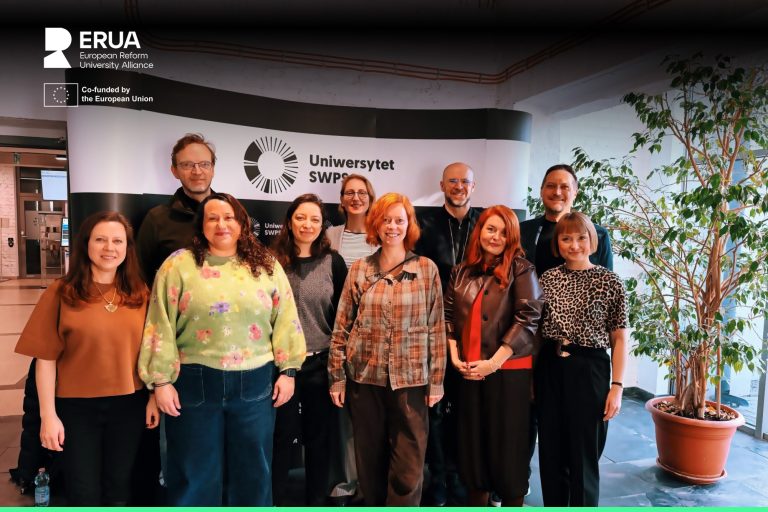
How can we train leaders for ecological change? From February 26–28, 2026, SWPS University in Katowice hosted the inaugural workshops for a new degree program currently in development: Green Mundus: Psychology of Climate Action. The event brought together experts from SWPS University, the University of Oslo (Norway), Mykolas Romeris University (Lithuania), and the University of Paris 8 (France) to begin intensive work on a joint, international Master’s program.
Science in Service of the Planet: The Genesis of Green Mundus
The “Green Mundus: Psychology of Climate Action” project stems from a collaboration within the European Reform University Alliance (ERUA). Funded by an Erasmus Mundus Design Measures grant, this initiative aims to establish the first international degree program of its kind — a comprehensive curriculum designed to provide students with the psychological tools essential for addressing the climate crisis.
The primary objective of the February meeting was to develop the academic framework for the program, which will integrate advanced psychology with practical environmental protection efforts. A key focus of the workshops, supported by insights from invited experts, was ensuring the curriculum aligns with the evolving demands of the modern labor market.
Practitioner Perspectives: From Revitalization to Climate Justice
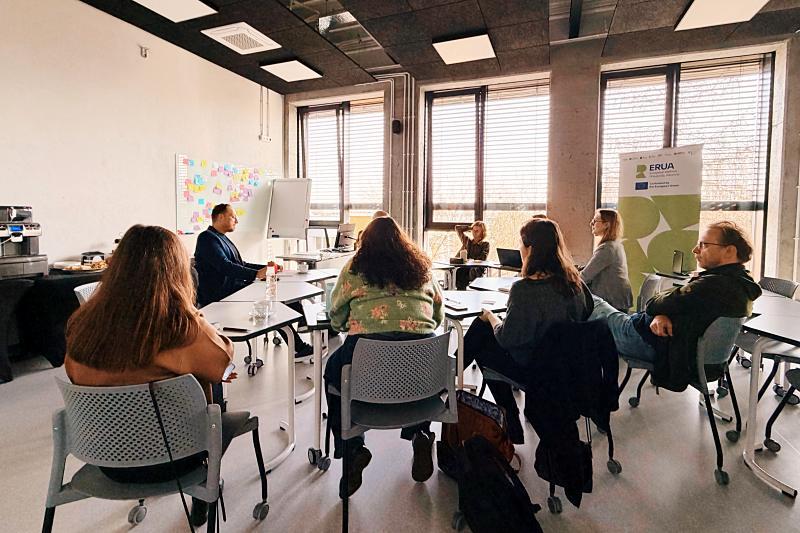
On the first day, we hosted experts who shared their professional experience and specialized knowledge:
- Blanka Jędrzejewska (Director of the Environmental Department) and Marcin Domański (Director of the Sustainable Mobility Department), representing the GMZ Metropolis (a formal association of 41 contiguous municipalities in southern Poland’s Silesian Voivodeship). They discussed local initiatives in green transportation and urban revitalization, emphasizing the vital role of community engagement in the pollution reduction process.
- Łukasz Łapiński (Archiclima): The founder and Director of the Archiclima project explained the mission of enhancing the climate resilience of large-scale buildings, presenting both current projects and future development plans.
- Professor Gulnaz Anjum (University of Oslo): Co-author of the groundbreaking book Psychology and Climate Change: Human Perceptions, Impacts, and Responses. As a researcher specializing in climate justice and the Global South perspective, Prof. Anjum highlighted the impact of environmental changes on marginalized communities and addressed the ethics of climate governance.
Thanks to the hybrid format of the meeting, our partners from De La Salle University in the Philippines were able to contribute to the workshop. This inclusive framework underscores the global scale of the challenges that psychologists currently face.
Graduate Profile
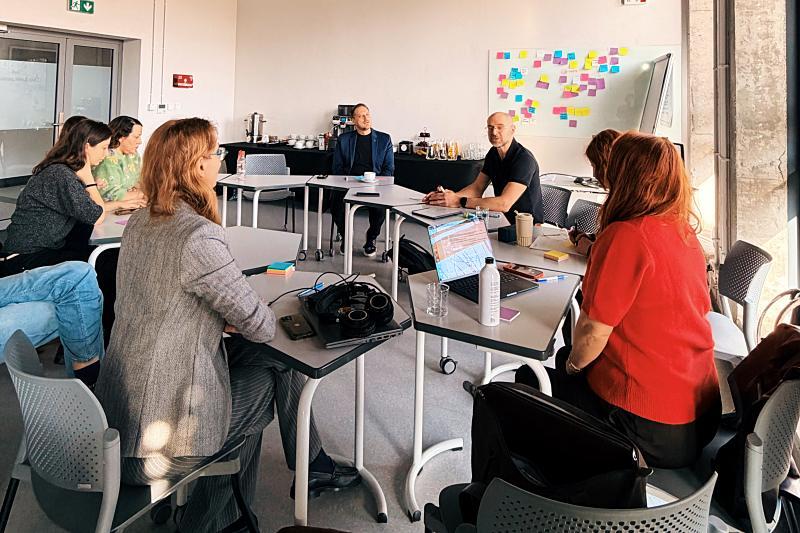
All guests actively participated in the Q&A sessions, helping the project team precisely define the graduate profile. As a result, the Green Mundus program will significantly enhance students’ employability within key environmental institutions and organizations by aligning their professional competencies with current market requirements.
From Theory to Practice: A Lesson in Nikiszowiec
The three-day event concluded with a site visit to the historic Nikiszowiec district in Katowice. The choice of location was symbolic, offering participants a firsthand look at the Silesian region’s ongoing metamorphosis. Once defined by its heavy industry, the area is being reimagined as a modern, revitalized landscape — one poised to emerge as a premier regional hub for information technology.
The meeting with a local guide and the analysis of community involvement in these changes served as a living lesson in social and environmental psychology — perfectly reflecting the core academic goals of the “Green Mundus” program.

Project Partners
- SWPS University (Project Leader)
- University of Oslo (Norway)
- Mykolas Romeris University (Lithuania)
- University of Paris 8 (France)
Organizers
- SWPS University Office for International Cooperation
- SWPS University, Campus in Katowice
Funding
- European Reform University Alliance
The project is co-funded by the European Union.