
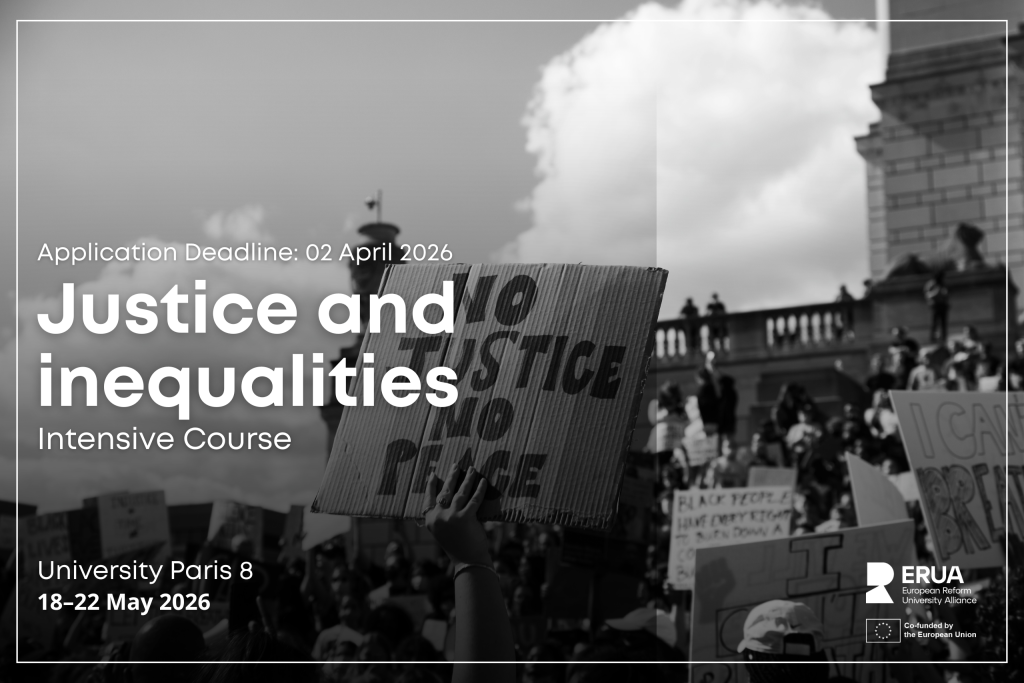
Description of the Intensive course
The course presents an analysis of the various theoretical models of distributive justice that have been developed in political philosophy since the publication of John Rawls’s A Theory of Justice in 1971. This analysis will pay particular attention to how these different models interpret the notion of individual desert, and to the consequences of these interpretations when it comes to assessing whether certain inequalities are compatible with social justice.
The course will include critical presentations of texts from the reading list by students (in groups) and debates on public policy issues related to distributive justice. It will conclude with a final written exam covering the course material.
Learning outcomes
The aim is to provide background knowledge of contemporary theories of social justice
The course introduces students to the skills needed to critically analyze arguments and construct a justified normative position
Assessement methods
Oral presentations and a written exam
Why You Should Apply?
You are interested to assess the compatibility of wealth inequalities with democratic political ideals and practices
Who can apply?
This course is open to 14 ERUA students.
No specific prerequisites are required, although some background in political theory or social philosophy will be appreciated.
How to apply?
If you are interested, please submit your application by April 2, 2026, to the following address: https://forms.gle/Vo3GAEBARzCAdyLU9
Your application should include:
- CV
- Cover letter (1 page)
If your application is accepted, your local ERUA team will be notified by April 9, 2026 and will contact you with further information.
If you are selected, they will also provide you with information regarding travel and accommodation funding.
If you have any other administrative questions about the course, please contact your local ERUA team at your university or Paris 8 local team (erua.eui@univ-paris8.fr).