Lesvos, Greece — November 5, 2025
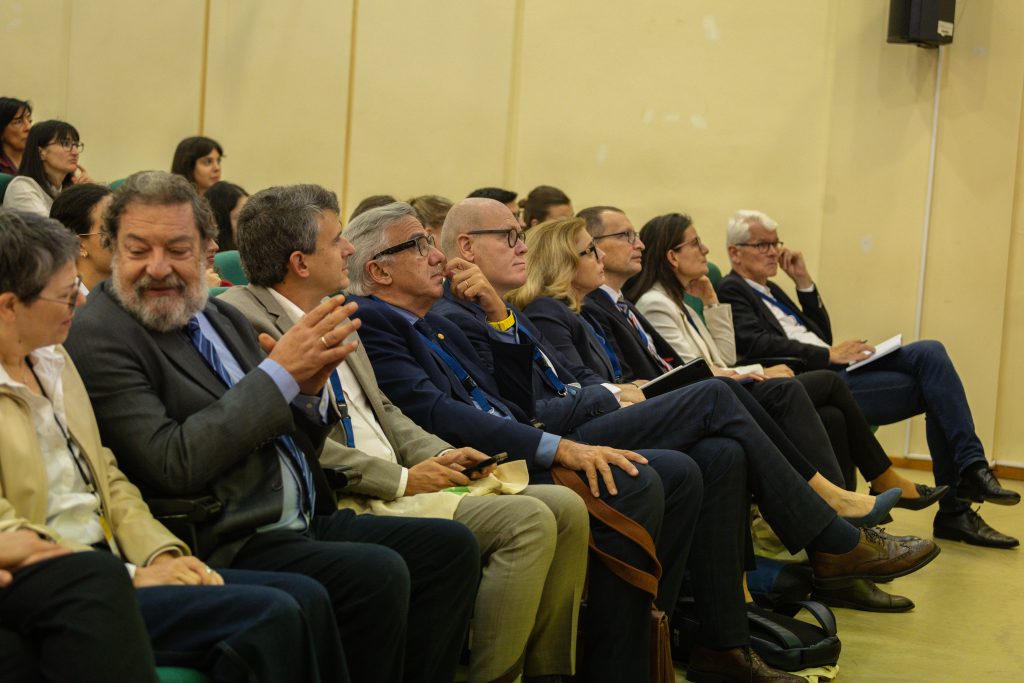
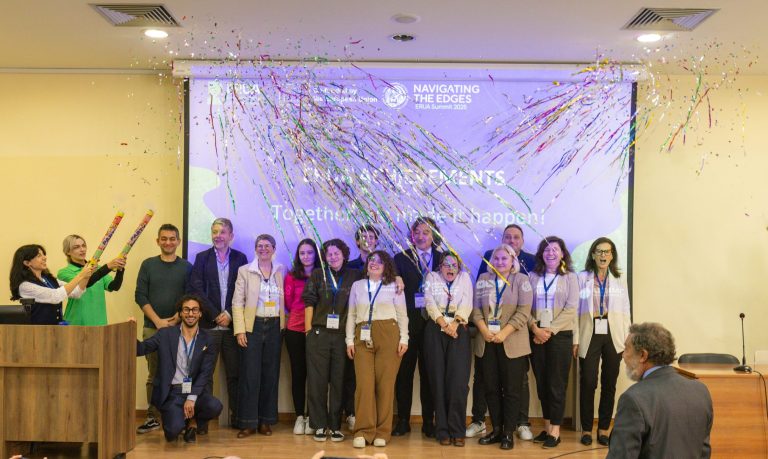
The second day of the European Reform University Alliance (ERUA) Summit 2025 highlighted the alliance’s most significant achievements since its establishment, marking two years of progress in educational innovation, student engagement, research collaboration, and sustainability. Representatives from all 8 member universities gathered in Lesvos to celebrate ERUA’s impact and discuss the alliance’s future direction.
- Expanding Innovative Teaching and Mobility
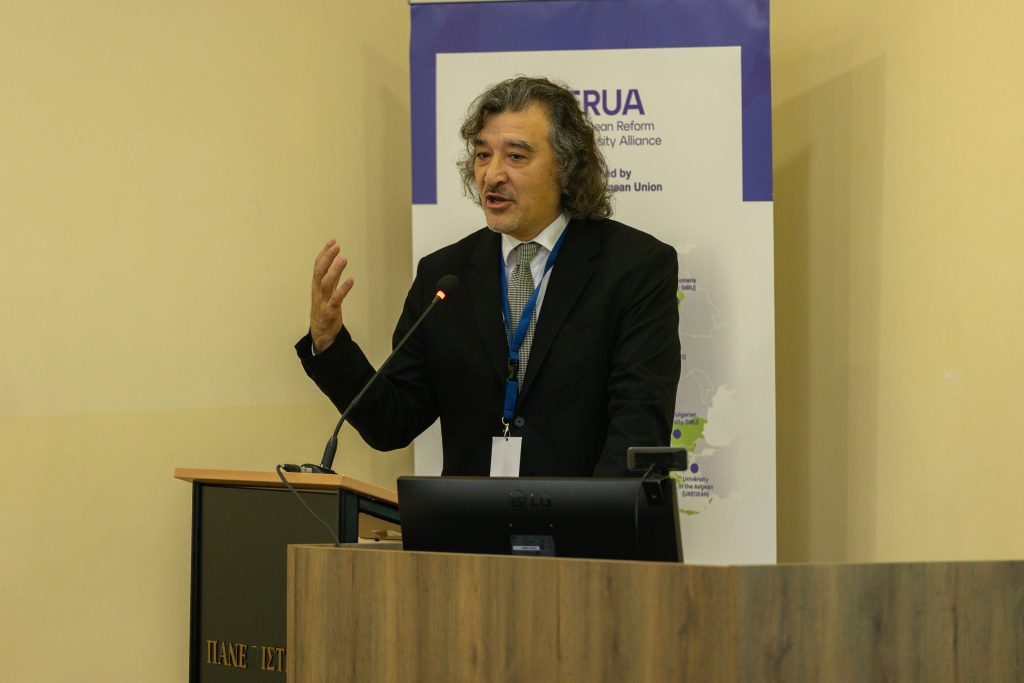
ERUA’s Work Package 2 reported a remarkable expansion in short-term mobilities and interdisciplinary teaching initiatives. Between 2023 and 2024, the number of traveling seminars tripled – from 9 to 29 – engaging nearly 300 students. Intensive courses and seasonal schools also grew significantly, contributing to almost 800 student mobilities in total.
The alliance’s innovative approach includes inclusive mobility formats, hybrid teaching options, and the development of a common ECTS certificate system. These initiatives directly align with the EU’s goal that 23% of European graduates experience mobility by 2030.
- Creating Joint Master’s Degrees
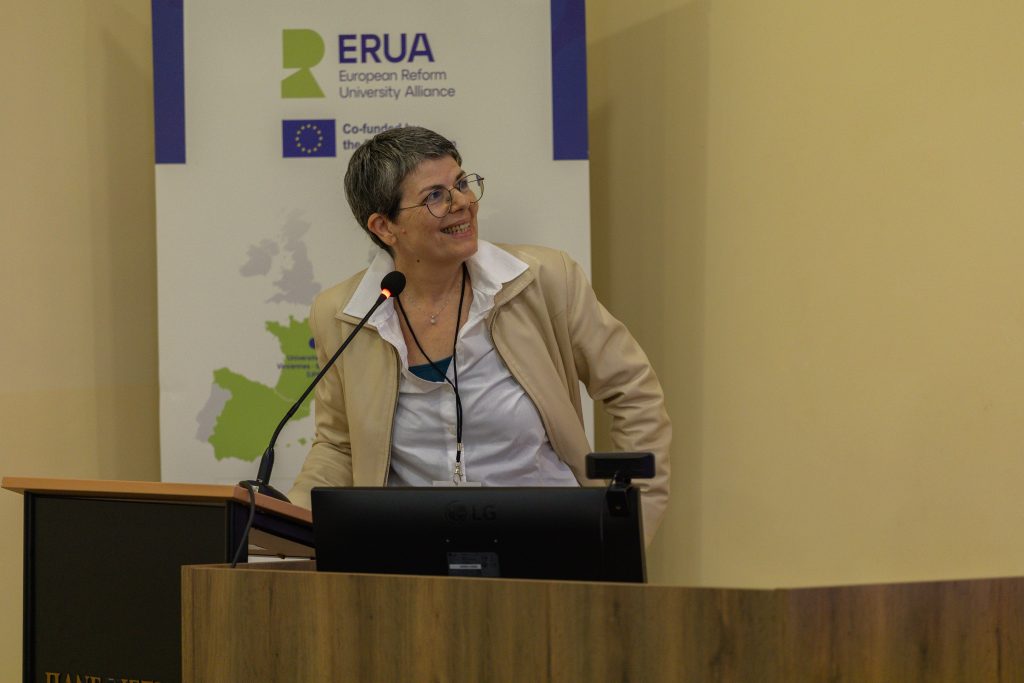
A major academic milestone was the establishment of a structured framework for joint degrees, coordinated under Work Package 6. ERUA now has three joint master’s programmes in advanced development:
- Post-Migration in European and Global Contexts
- Psychology of Climate Action (Green Mundus)
- International Law and Governance
This framework harmonizes academic and administrative processes across partner universities and includes a 10-step roadmap for launching future joint programmes. These efforts place ERUA at the forefront of the European Degree initiative.
- Fostering Social Entrepreneurship
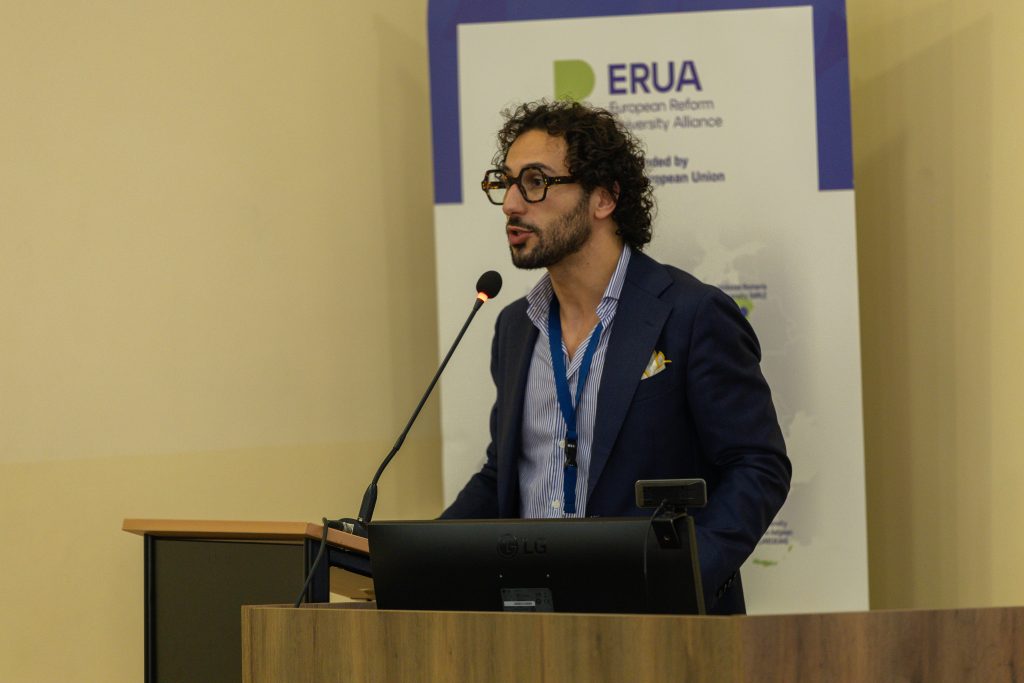
Universities showcased entrepreneurship courses and labs designed to connect academic knowledge with territorial innovation. Over 200 regional experts contributed to developing training modules that promote sustainability-driven start-ups and social impact initiatives. These activities aim to “break the crystal bubble” between academia and society, fostering new enterprises that embody European values and local transformation.
- Empowering Student Leadership
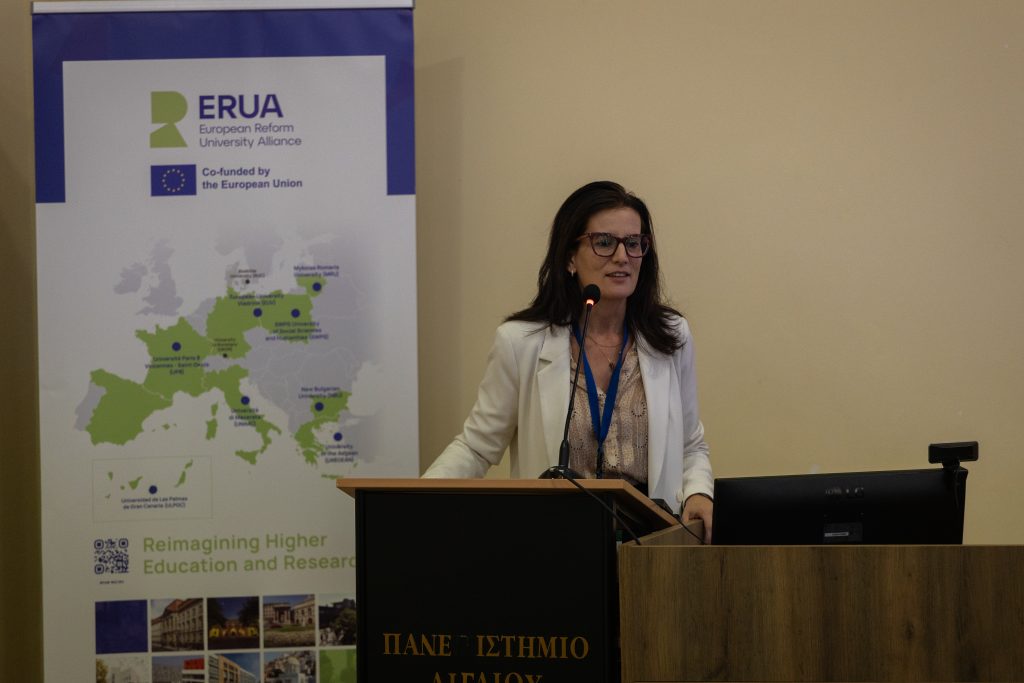
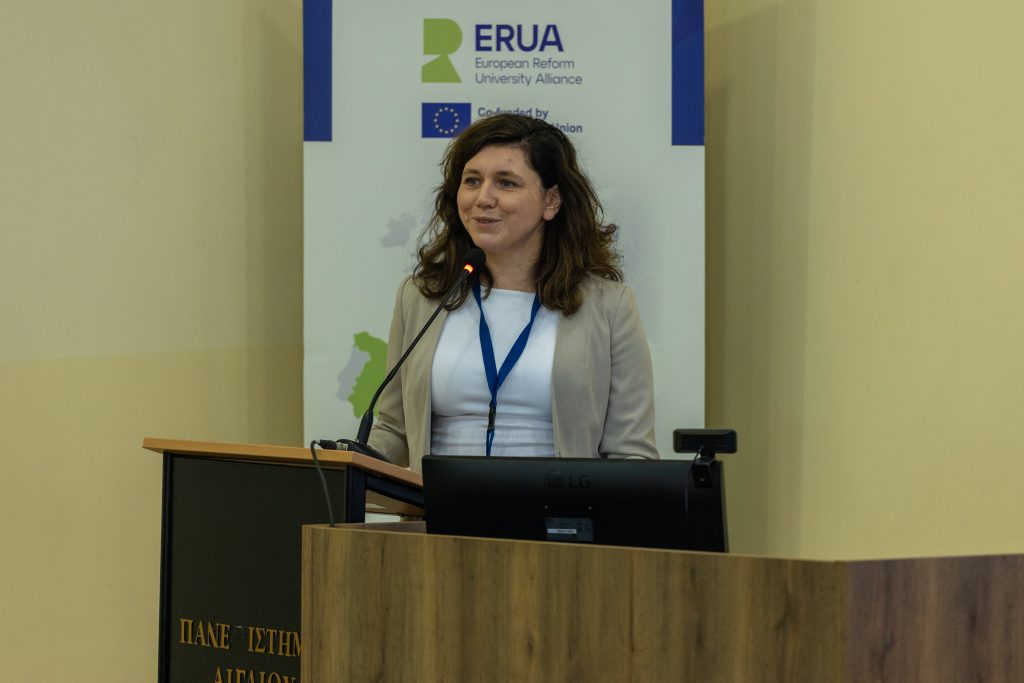
Student representatives presented the growth of the ERUA Student Board, newly established as a democratic and active governance body. More than 100 students participated in this year’s summit – reflecting a strong culture of engagement.
Key projects include:
- The ERUA Student Magazine
- The Blue Commission on climate action and sustainability
- Bottom-up project funding for student initiatives
Students now hold seats on alliance committees, such as the Teaching Initiatives Approval Committee, reinforcing ERUA’s commitment to co-creation and participatory governance.
- Establishing a Legal Entity for Sustainability
ERUA’s Board of Directors approved the creation of a legal entity in Brussels, ensuring long-term strategic and financial sustainability. This new structure, registered as an ASBL (Association Sans But Lucratif), provides a stable framework for future cooperation, funding acquisition, and shared governance beyond Erasmus+ project cycles.
As noted during the presentation, “the legal entity is not an end, but an instrument to deepen collaboration and secure ERUA’s continuity.”
- Advancing Research Clusters
Under Work Package 3, ERUA established 21 interdisciplinary research clusters – far exceeding the original plan of one. More than 250 academics now collaborate across Europe and the U.S., engaging in joint publications, conferences, and seed-funded projects. These clusters bridge research, education, and societal impact, positioning ERUA as a hub for SSH (Social Sciences and Humanities) collaboration.
- Strengthening ERUA’s European Presence
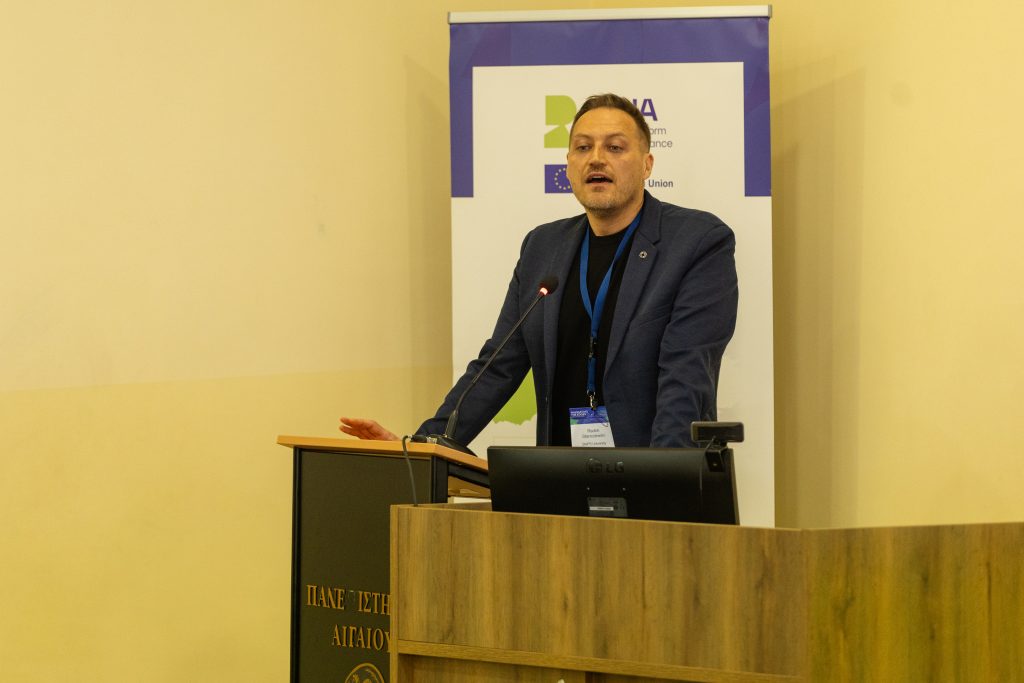
ERUA has become a recognized voice in European higher education. The alliance leads two European Commission topical groups on Quality Assurance and Impact, and co-chairs the Forum for Student Engagement. It will also co-organize the first European Degree Label workshop for practitioners in Venice this December, underscoring its leadership role in shaping EU higher education policy.
- Pioneering Digital Identity Integration
Through the ERUA ID initiative, the alliance introduced a decentralized digital identity system, aligned with the EU’s European Digital Identity Wallet framework. This innovation allows students to access academic and mobility services securely across all partner universities – paving the way for seamless, GDPR-compliant cross-border learning experiences.
- Mapping ERUA’s Contribution to the SDGs
ERUA’s mapping of its educational and research activities revealed strong alignment with the UN Sustainable Development Goals, particularly Quality Education (SDG 4), Peace and Justice (SDG 16), and Good Health and Well-being (SDG 3).
A flexible evaluation framework – combining manual, keyword, and AI-assisted analysis – now tracks ERUA’s contributions to sustainability and social impact across over 15,000 courses and 1,500 publications annually.
- Community Engagement and Impact
ERUA’s community-driven activities, such as the Ideas on Alternative Entrepreneurs Challenge and Hack for Impact hackathon, have generated dozens of innovative prototypes addressing social challenges. The alliance’s upcoming Identity of the Allies competition aims to further connect local communities with European higher education through creativity and innovation.