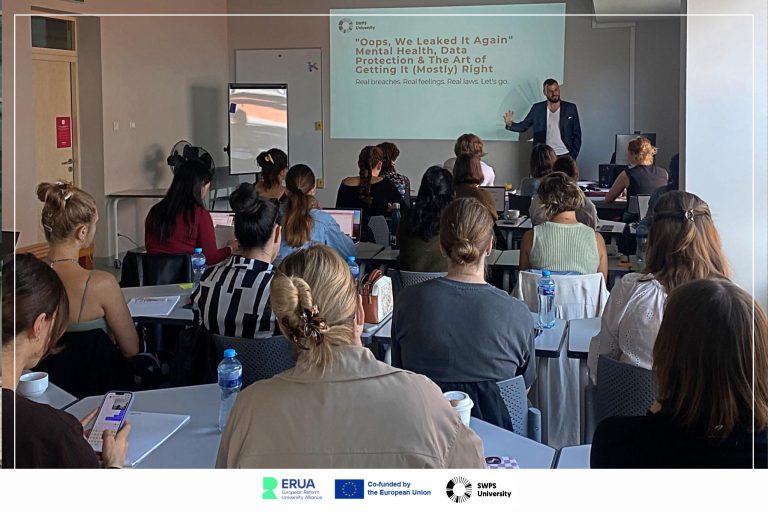
In early July, SWPS University’s Faculty of Psychology and Law in Poznań hosted students of law, psychology, and related programs from five member universities of the European Reform University Alliance (ERUA). The students participated in a Summer School “The Human Right to Mental Health: Legal Perspectives and Practical Implications”. The School was organized as part of the Erasmus+ Blended Intensive Program.
Mental health as a human right — Interdisciplinary perspective
During the Summer School, the organizers applied an interdisciplinary approach to address the matters of mental health in the context of international, European, and Polish law. The lecturers from Poland, Bulgaria, Germany, France, and Lithuania included experts specializing in medical law, personal data protection, professional ethics, forensic psychology, and digital technologies in the context of mental health.
Throughout a busy week, students participated in workshops focused on many topics, such as regulations concerning the use of artificial intelligence in digital therapy, protection of medical records related to mental health, patient rights, professional responsibility of psychologists and lawyers, and strategies for mental health advocacy.
Practical approach and international collaboration
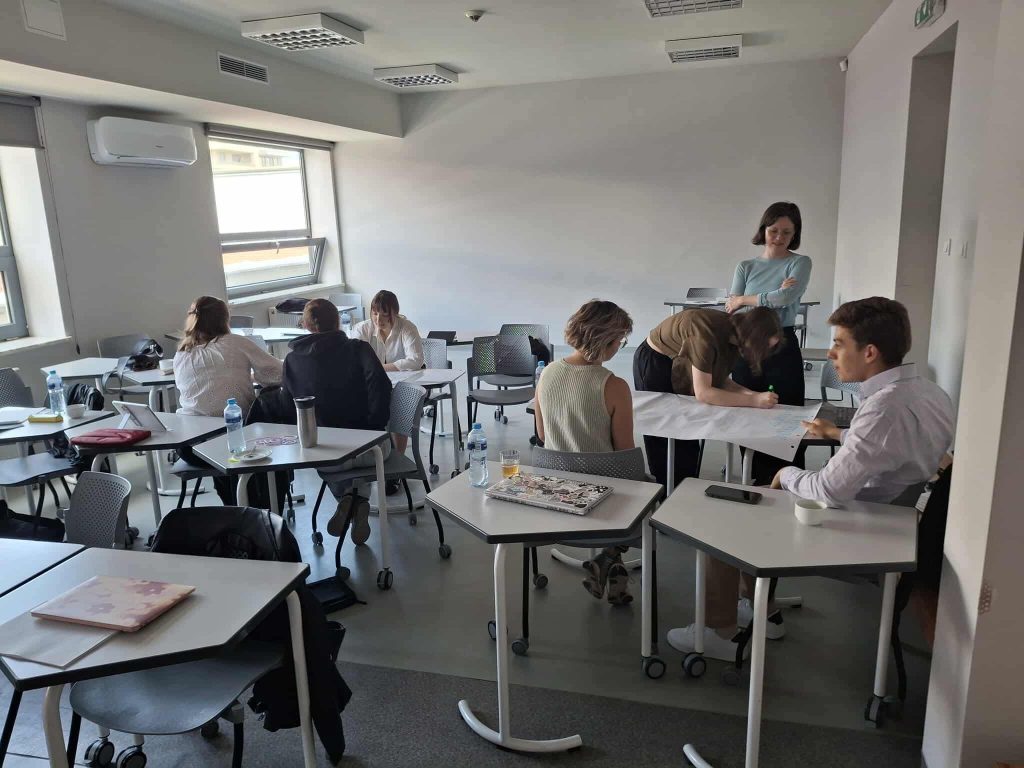
The organizers opted for workshops in English as a teaching format. Students, organized in teams, analyzed case studies, carried out simulations, and developed proposals of legislation changes. At the end of the course, students underwent an evaluation process and were handed certificates of completion.
Participants of the course came from five universities — members of ERUA:
- University Paris 8, France
- New Bulgarian University, Bulgaria
- European University Viadrina, Germany
- Mykolas Romeris University, Lithuania
- SWPS University, Poland.
Blended Intensive Program (BIP) courses
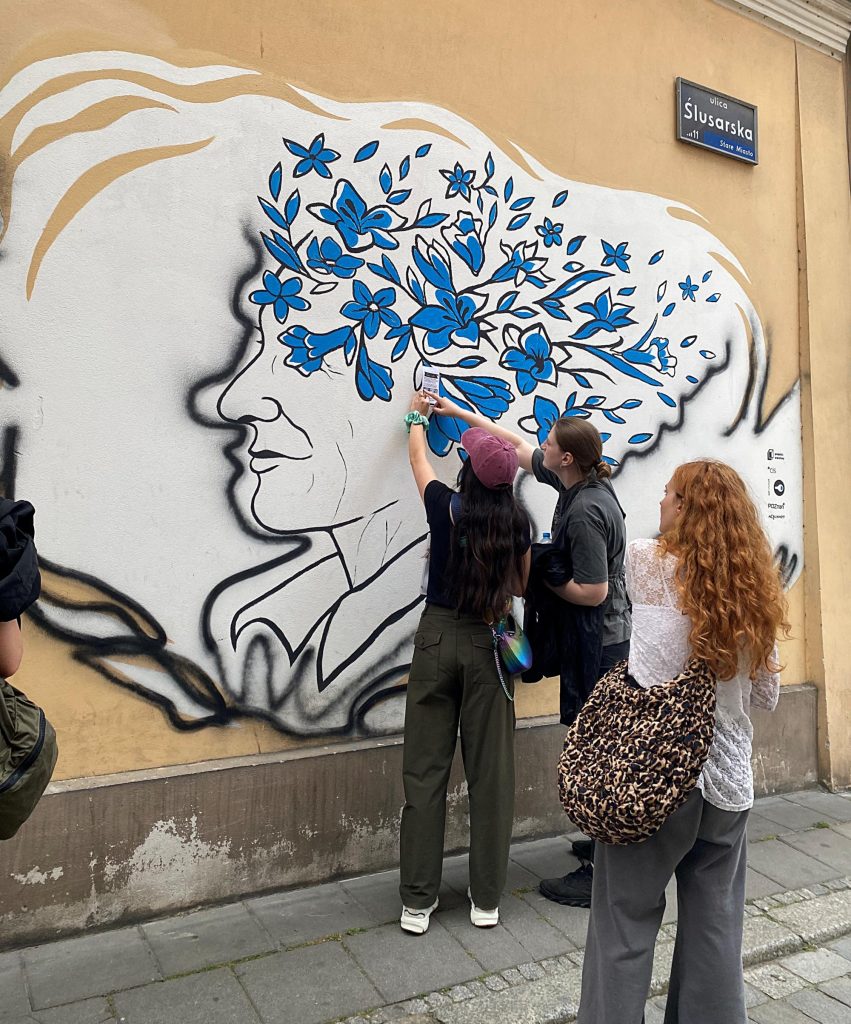
The course was organized as an Erasmus+ Blended Intensive Program — a short-term international study program that combines online learning with a physical mobility component. The online component took part in May and consisted of four interactive meetings focused on the mental health legal framework, international protection mechanisms, and links between law and clinical psychology. The onsite, in-class component included 22 teaching hours as well as cultural and social events conducive to student integration.
Coordinator of the Summer School — Tomasz Lewandowski, Ph.D.
Dr. Tomasz Lewandowski form SWPS University’s Faculty of Psychology and Law in Poznań was the initiator of the Summer School. He was also responsible for the content of the program and led some of the workshops. Together with a team of lecturers, he provided a space for reflection on the role of law in the protection of the right to mental health, from both the theoretical and practical perspectives. Read more…