
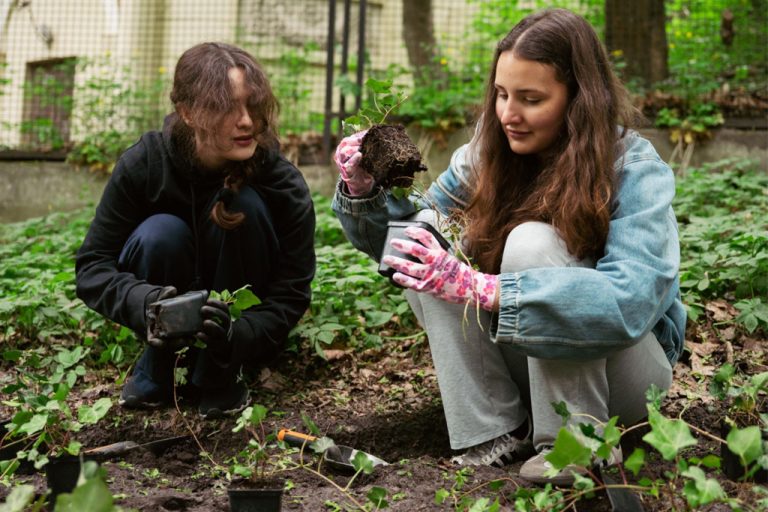
On May 8, a group of approximately 30 volunteers from SWPS University gathered in Warsaw’s Arkadia Park to plant dozens of new ivy seedlings, contributing to the biodiversity of the capital’s green spaces. The event took place as part of the Zielony Wolontariat [Green Volunteering] program, facilitated by the City of Warsaw, and was held in conjunction with the international “ERUA Spring Clean-ups” initiative organized by the European Reform University Alliance (ERUA).
Collective Care for the Urban Ecosystem
The “Green Volunteering” program is a unique opportunity for Warsaw residents to actively participate in the daily maintenance of the urban ecosystem. Through collaboration with professionals, volunteers not only make a direct contribution to the environment but also gain practical insights into the design and maintenance of the capital’s green spaces.
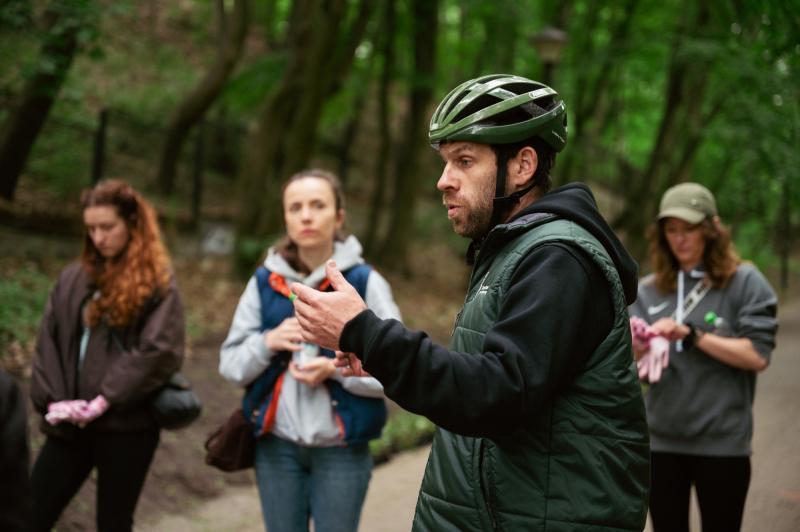
On May 8, a group of approximately 30 volunteers from SWPS University gathered in Warsaw’s Arkadia Park to plant dozens of new ivy seedlings, contributing to the biodiversity of the capital’s green spaces. The event took place as part of the Zielony Wolontariat [Green Volunteering] program, facilitated by the City of Warsaw, and was held in conjunction with the international “ERUA Spring Clean-ups” initiative organized by the European Reform University Alliance (ERUA).
Collective Care for the Urban Ecosystem
The “Green Volunteering” program is a unique opportunity for Warsaw residents to actively participate in the daily maintenance of the urban ecosystem. Through collaboration with professionals, volunteers not only make a direct contribution to the environment but also gain practical insights into the design and maintenance of the capital’s green spaces.
“At SWPS University, we strive to ensure that sustainability is more than just a strategic goal or a line in a policy document; it must translate into tangible actions and experiences for our community. Through the ivy planting project in Warsaw’s Arkadia Park, organized as part of the “Green Volunteering” program, we contribute to shaping a more livable city alongside the Warsaw Green Authority. We also value the communal aspect of this initiative — the chance to connect, work together, and build a sense of agency around critical social and environmental issues. We are pleased that our membership in ERUA enables us to develop such initiatives and demonstrate that universities can play an active role in addressing contemporary global challenges,” said Zuzanna Jakubik, Sustainability Manager, SWPS University’s Office for Sustainable Development
ERUA’s Green Initiatives for the Planet
The planting day at Arkadia Park is part of SWPS University’s involvement in “ERUA Spring Clean-ups”, a broader campaign organized by the European Reform University Alliance. This initiative sees member universities joining forces to promote environmental stewardship throughout the spring.
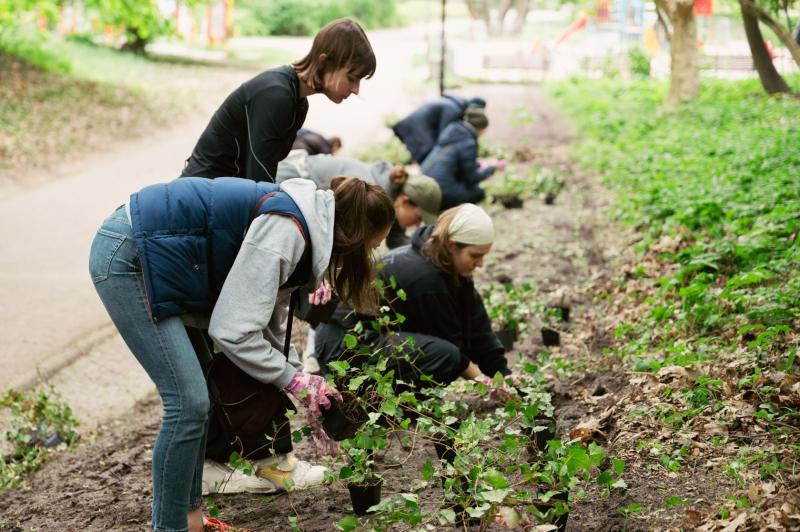
Between Earth Day (April 22) and World Environment Day (June 5), students and staff from member institutions in Bulgaria, Germany, Greece, Italy, Lithuania, Poland, and Spain are engaging in local efforts to clean up local beaches and green spaces and plant new vegetation.
These activities reflect the ERUA alliance’s commitment to ecological responsibility and its dedication to building relationships with local communities. By mobilizing students, staff, local authorities, and civil society organizations, ERUA member universities demonstrate that positive change begins in our immediate surroundings and that collective action across borders produces a significant impact on a larger scale.