A New Dimension of Academic Cooperation
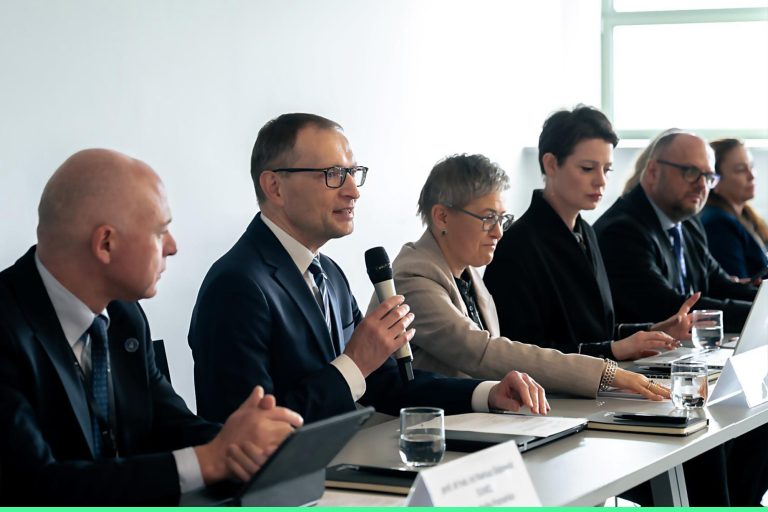
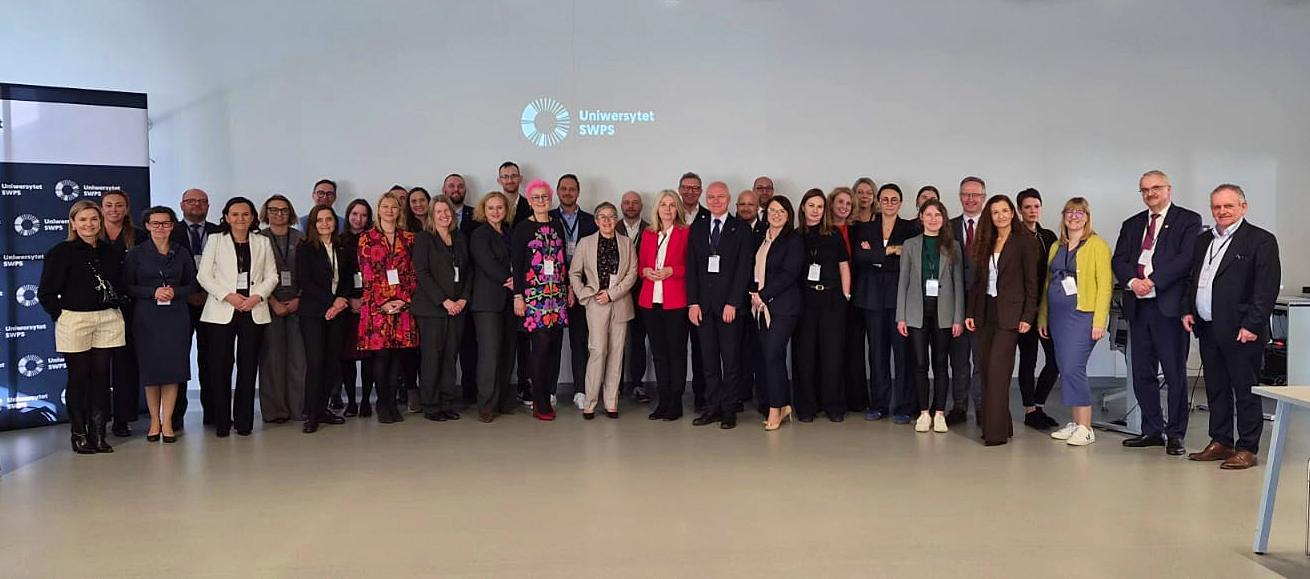
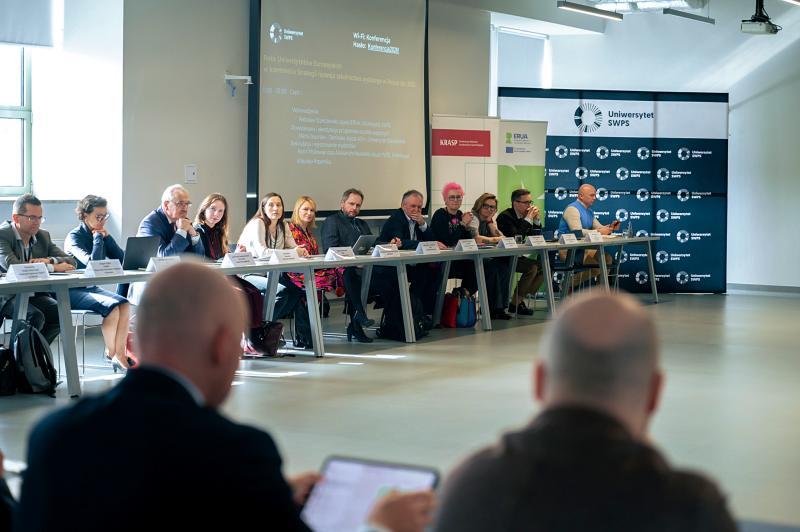
The event, initiated by SWPS University and the Ministry of Science and Higher Education, served as a platform for exchange of experience and insights among leaders in Polish academia. The central point of discussion was the implementation of the European Approach — a model that significantly simplifies the accreditation of programs jointly conducted by universities from different countries, opening doors to international education for students without unnecessary bureaucracy.
Key decision-makers participated in the debate, including:
- Maria Mrówczyńska, Undersecretary of State at the Ministry of Science and Higher Education
- Mirosław Marczewski, General Director of the Foundation for the Development of the Education System
- Katarzyna Aleksy, Director of the Higher Education Programs Office at the Foundation for the Development of the Education System
The discussions were moderated by Radosław Stanczewski, Director of the Office for International Cooperation at SWPS University.
Challenges and Development Outlook
During the meeting, experts examined the many practical aspects of developing modern degree programs, including
- Development and accreditation of joint programs
- Recruitment and enrolment of students
- Financing and long-term sustainability of joint programs
- Joint diplomas and their compatibility with the Polish higher education regulatory framework
SWPS University as a Leader of Change
Our university plays a strategic role in this process as a member of the European Reform University Alliance (ERUA). Within this partnership, SWPS University is responsible for developing international degree programs that align with European Approach quality standards.
We are currently coordinating work on three new programs, including the innovative GREEN MUNDUS: Joint Master in the Psychology of Climate Action, which has received support from Erasmus Mundus Design Measures funds.
Poland on the Map of European Alliances
European University alliances serve as “laboratories” where modern educational models are tested. The current scale of cooperation is impressive:
- There are 73 alliances operating in Europe; 32 Polish universities participate in 30 of them.
- Polish universities already offer 102 joint degree programs.
- 17 programs in Poland have already received European Approach accreditation.
While fully unlocking the potential of joint studies requires further regulatory changes, the meeting at SWPS University confirmed that Polish higher education is ready for deep integration with Europe.
Organizers
- SWPS University
- Ministry of Science and Higher Education (MNiSW)
- Foundation for the Development of the Education System (FRSE)