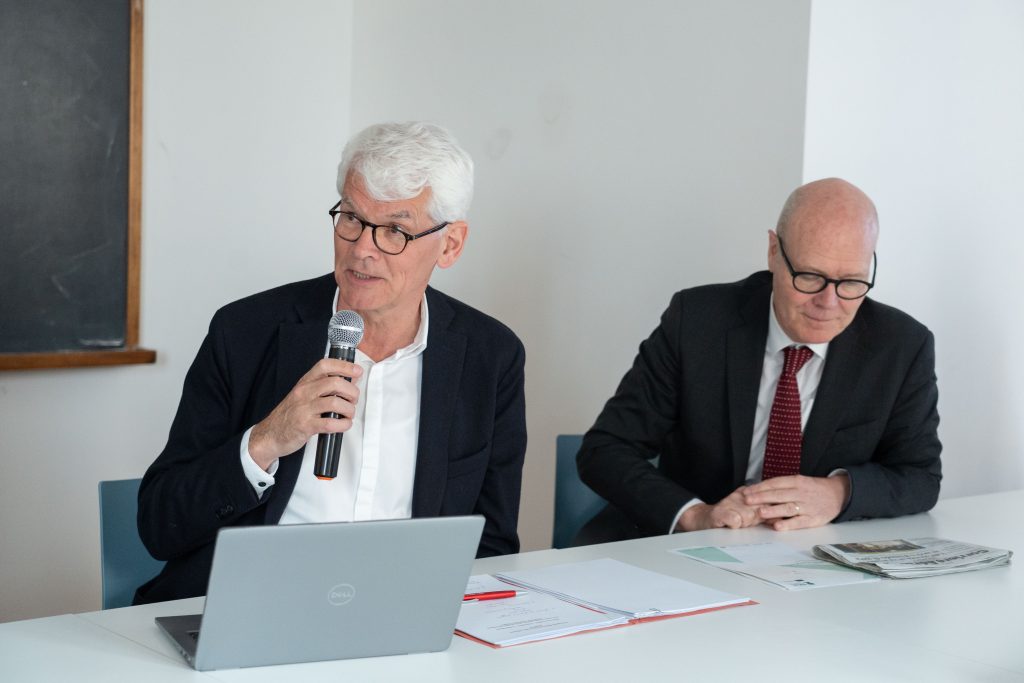
On 10–11 March, the University of Macerata hosted a key ERUA leadership visit, bringing together representatives of the Alliance for two days of meetings and exchange. On this occasion, the Rector of the University of Macerata, Prof. John McCourt, Chair of the ERUA Board of Rectors, welcomed Prof. Eduard Mühle, Vice-Chair of the Board and President of the European University Viadrina.
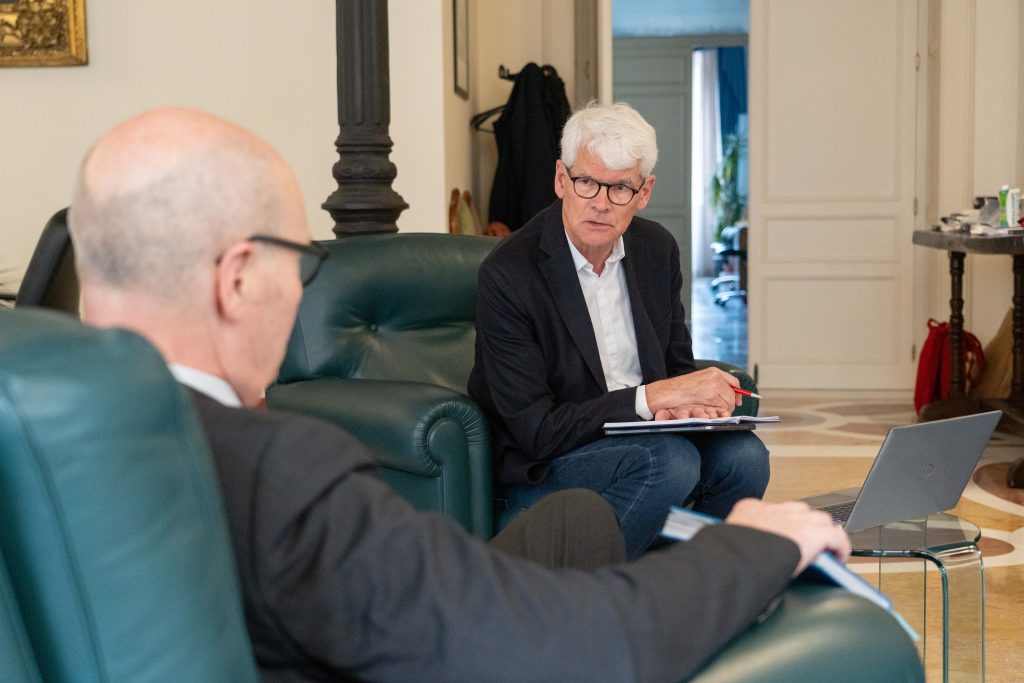
The visit provided an important opportunity for the ERUA leadership to engage in discussions on the Alliance’s strategic priorities, governance and future development. In their meetings, Prof. McCourt and Prof. Mühle focused on reinforcing alignment across partner universities and advancing key initiatives for the consolidation of ERUA as a European University.
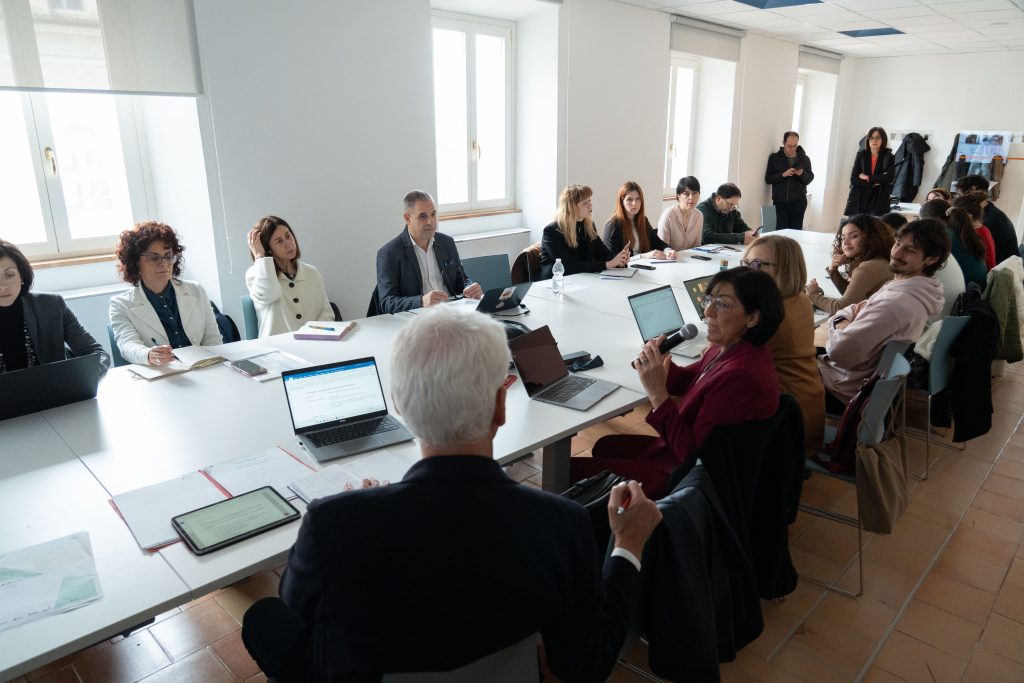
A central moment of the programme was the Local Board meeting, which brought together students, academic and administrative staff actively involved in ERUA activities at the University of Macerata. On this occasion, Prof. Mühle had the opportunity to engage directly with the local community, listening to and sharing many of the ongoing work streams developed at Local Board level, further strengthening the connection between local and Alliance-wide dimensions.
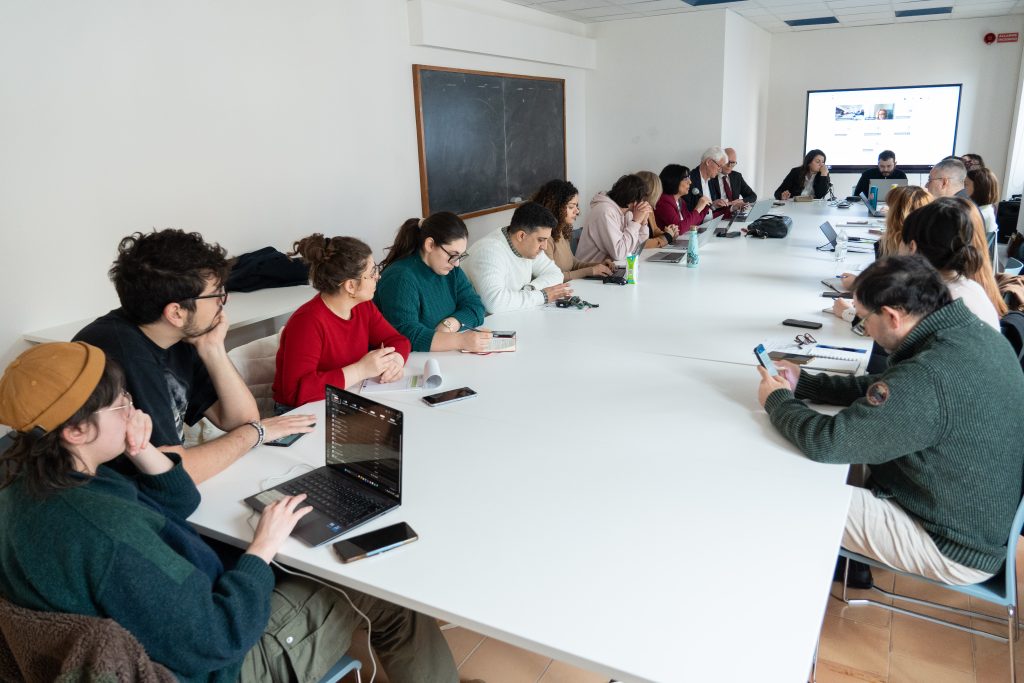
Among the topics discussed, particular attention was given to the recognition of ERUA’s Legal Identity—an essential step towards enhancing the Alliance’s institutional capacity and long-term sustainability.
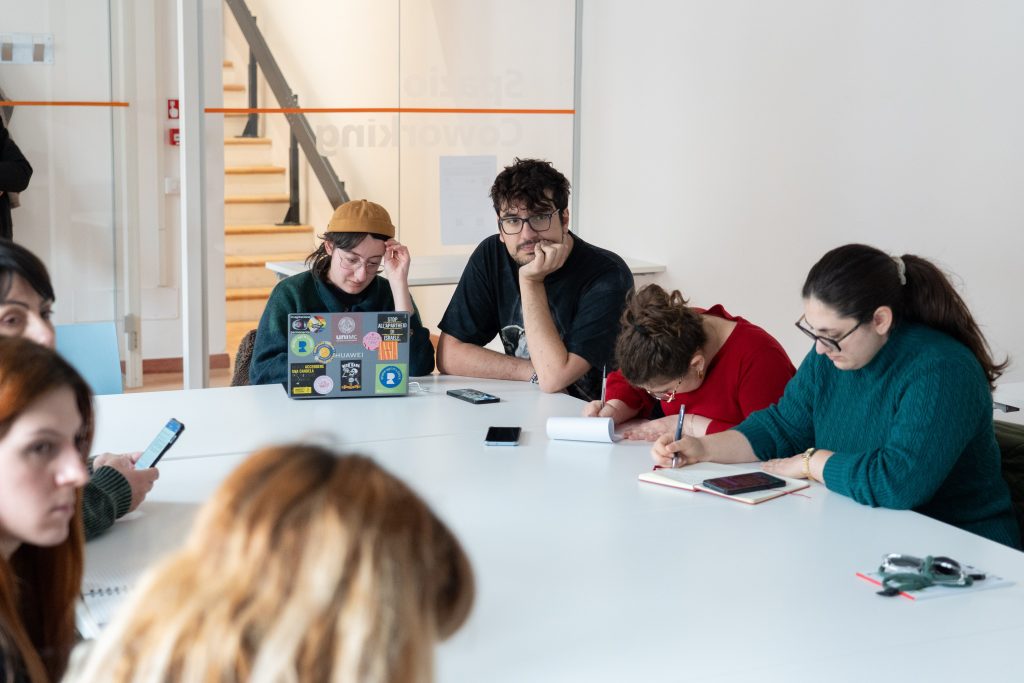
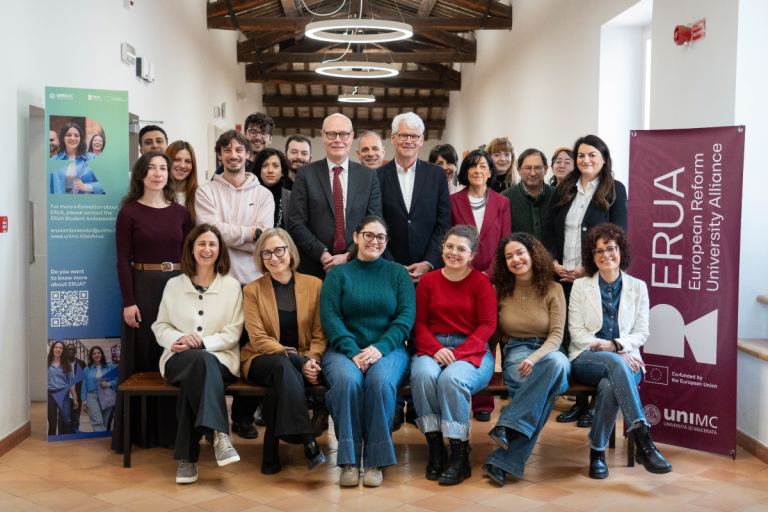
The strong participation of the local ERUA community, as reflected in the shared moments captured during the visit, highlighted the collaborative spirit that defines the Alliance. The visit not only reinforced coordination at leadership level, but also underscored the importance of engagement across all partner institutions.