Lesvos, Greece – November 2025
The European Reform University Alliance (ERUA) brought its members and partners together on the island of Lesvos for the 2025 Summit, hosted by the University of the Aegean.
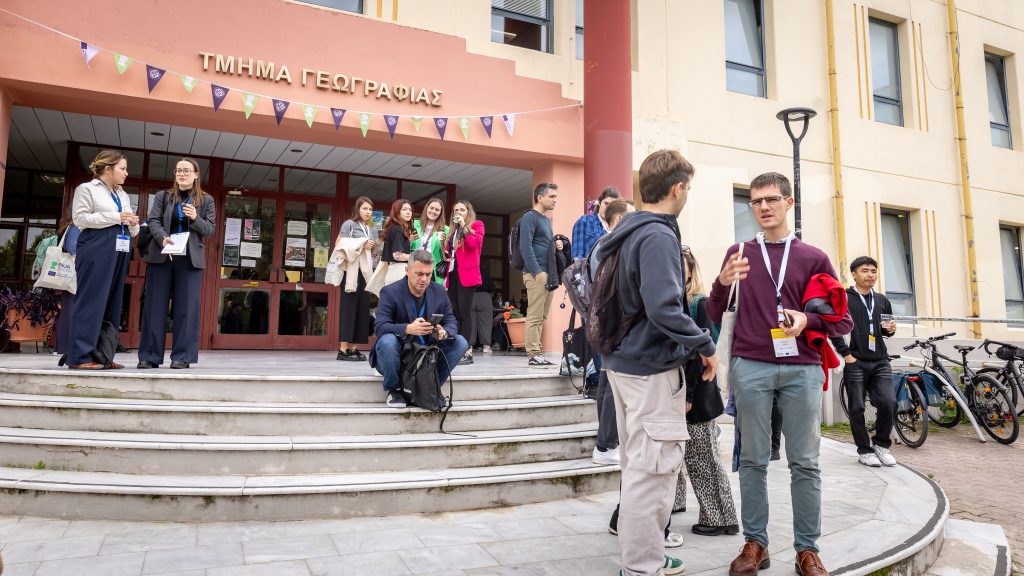
Under the theme “Navigating the Edges”, the four-day gathering became a powerful reflection on how universities can act as laboratories of inclusion, innovation, and reform in a fast-changing Europe. This year’s Summit was enriched by the ERUA Winter School “Building ERUA Sustainable Future Learning Paths”, organized by the University of the Aegean and SWPS University, resulting in the participation of more than 100 ERUA students in the ERUA Summit 2025. Over the course of an intensive week, students engaged in a vibrant programme that combined academic sessions with hands-on, real-world learning.
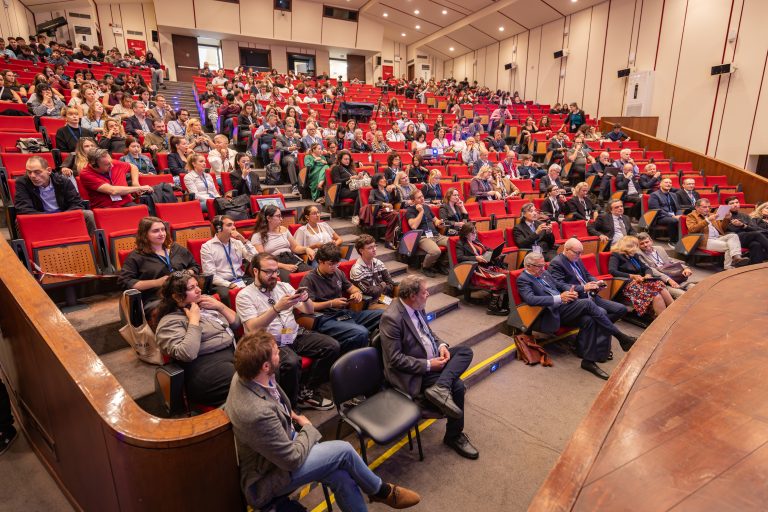
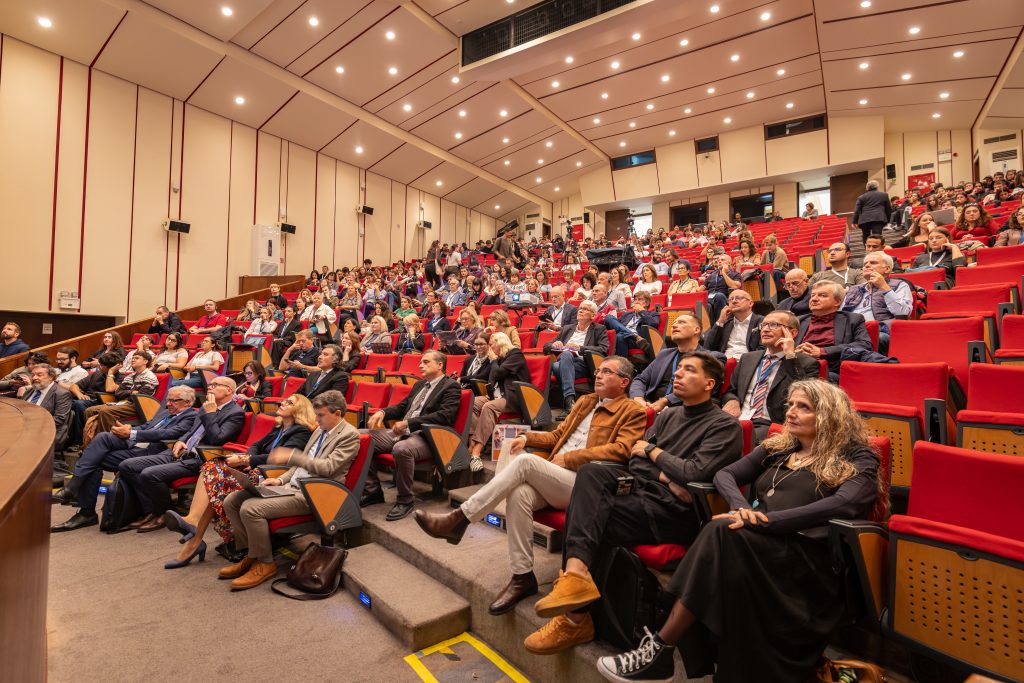
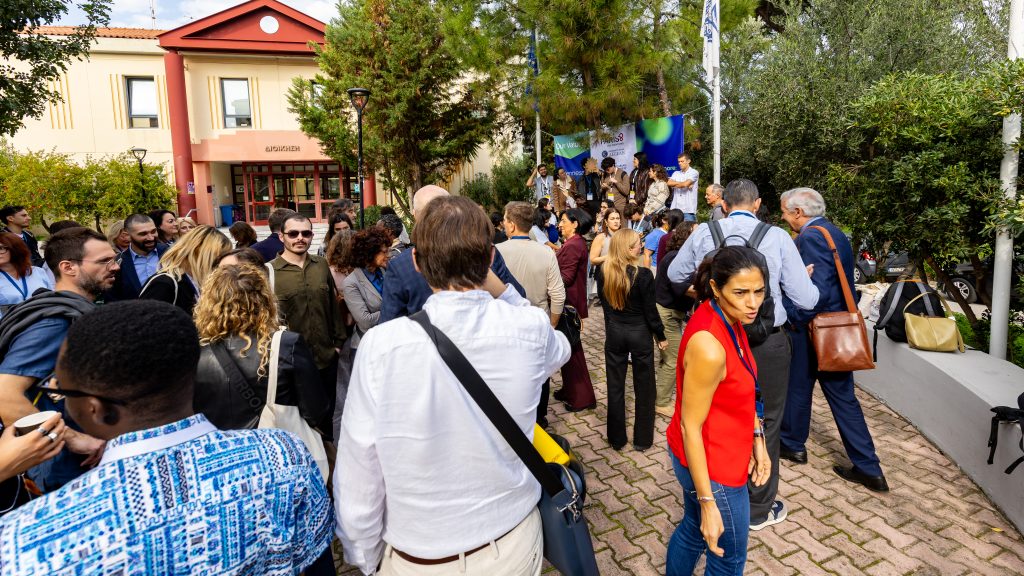
More than 260 participants – rectors, academics, students, policymakers, and local partners – joined to explore how the alliance’s founding vision continues to evolve: connecting Europe “from the edges” where diversity, dialogue, and transformation begin.
A Shared Vision for European Higher Education
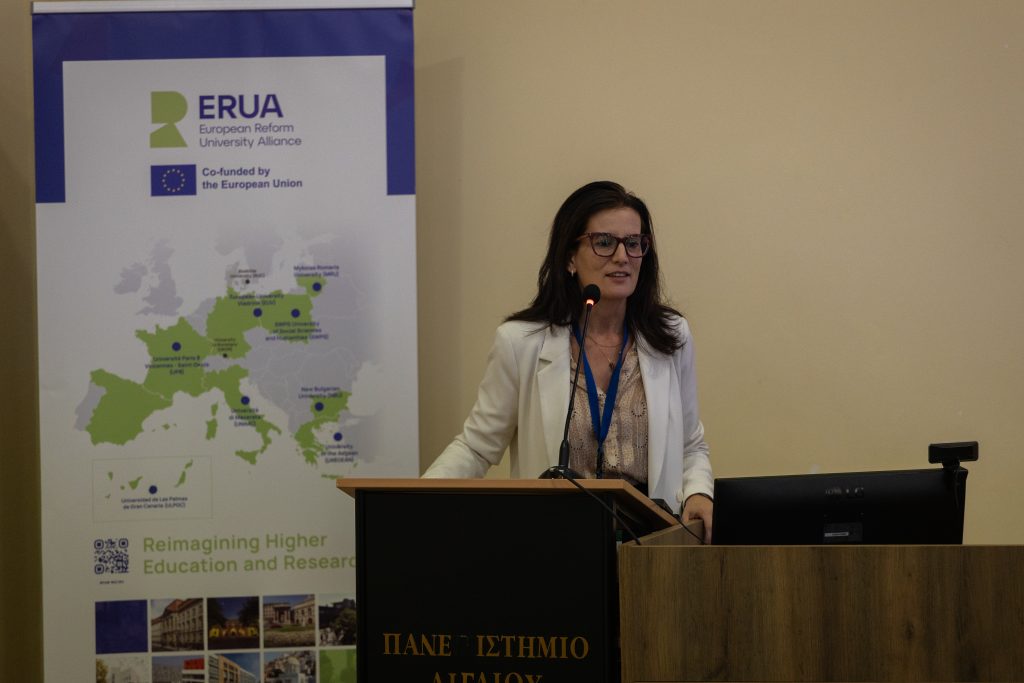
In her opening address, ERUA Secretary General, Bruna Vives set the tone for the Summit by describing “the edges” as spaces of creativity and renewal.
“Navigating the Edges speaks to our shared identity. The edges are places of creation and renewal – spaces where we can redefine centrality, foster transformation, and affirm the critical role of universities as drivers of social progress, with students at the core.”
Her words resonated throughout the Summit’s discussions, emphasizing ERUA’s role as an alliance that connects academic excellence with social responsibility and human values. Professor Dimitrios Papageorgiou, Rector of the University of the Aegean welcomed the audience to Mytilene by highlighting the collaborative spirit that defines the alliance:
“Rectors, vice-rectors, colleagues, administrative staff, and students – everyone has contributed individually and collectively to make this possible. We’re very glad to have you here and hope you enjoy our beautiful town.”
Rectors’ Voices: A Europe of Knowledge, Inclusion, and Action
The Summit featured inspiring interventions from ERUA’s rectors, each offering a unique vision of how reform universities can shape Europe’s educational and social landscape.
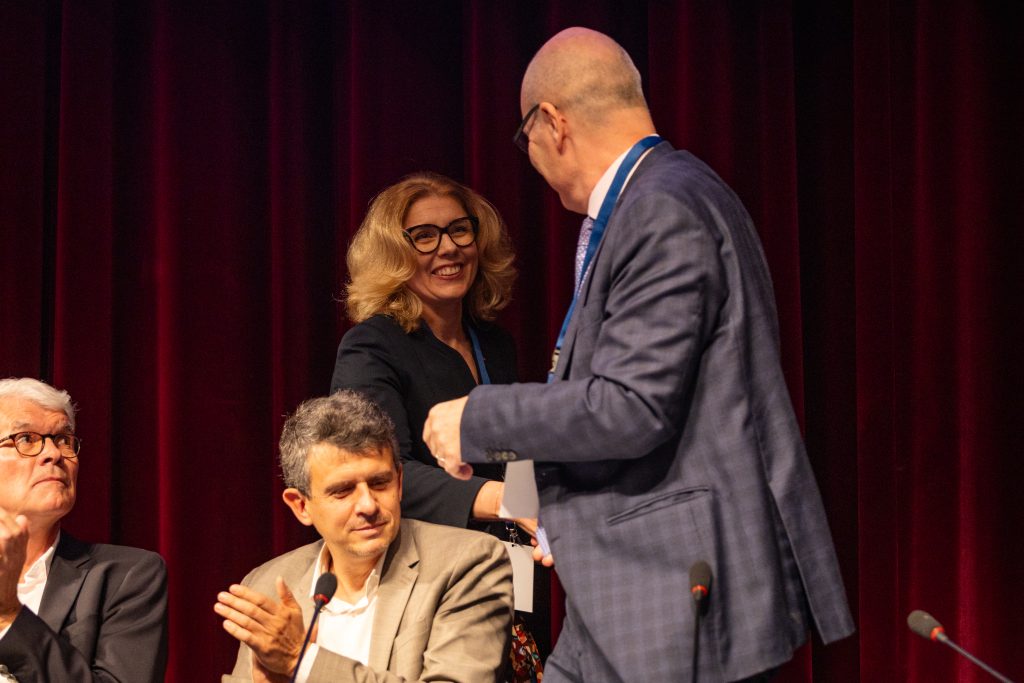
Following the handover of the ERUA Chair from Professor Inga Žalėnienė (Rector, Mykolas Romeris University) to Professor John McCourt (Rector, University of Macerata), the newly appointed Chair delivered an inspiring speech calling for a renewal of the university’s civic mission: (Read the full speech here)
“Europe’s reform universities are born from civic responsibility. We teach that knowledge must serve society – that universities are not ivory towers but open houses for critical thought and action.”
The Rector of Mykolas Romeris University (MRU) Professor Inga Žalėnienė (Read the full speech here) linked sustainability and inclusion with innovation, noting that:
“ERUA is about making research and learning more human, more digital, and more green – ensuring that inclusion and excellence go hand in hand.”
Echoing this vision, the Rector of Université Paris 8, Professor Arnaud Laimé (Read the full speech here) spoke of the alliance as a continuation of Europe’s intellectual heritage:
“Paris 8 has always been a space for critical inquiry and experimentation. Through ERUA, we renew that legacy, building a Europe of knowledge that questions, includes, and transforms.”
Together, their voices framed ERUA as a collective experiment in reimagining what European universities can become: civic-minded, transnational, and transformative.
Innovation, Reform, and Collaboration in Action
Throughout the Summit, ERUA showcased concrete steps toward this shared vision.
- The alliance has tripled the number of travelling seminars, created 21 interdisciplinary research clusters linking over 250 academics, and has advanced significantly on three new joint master’s degrees in migration studies, climate action, and governance.
- These developments place ERUA among the active contributors of the European Degree Initiative, reflecting what participants called “a new model of cross-border academic collaboration.”
- Another milestone was the establishment of ERUA’s new legal entity (AISBL) in Brussels, now reaching its final stage of formalization, described as “an instrument to deepen collaboration and secure ERUA’s continuity.”
- This step ensures the alliance’s sustainability and long-term coordination beyond project funding cycles.
- Digital innovation was also central to the discussions, with the ERUA Digital Identity Initiative offering students a decentralized identity wallet to access academic services across member universities.
- This forward-looking approach complements the alliance’s commitment to openness and interoperability within the European Higher Education Area.
Education as Dialogue and Transformation
Professor Arnaud Laimé offered a resonant reminder of the alliance’s reformist essence:
“…We are not mere transmitters of knowledge. We have to be living laboratories, places of curiosity, creation, courage, and democratic participation.”
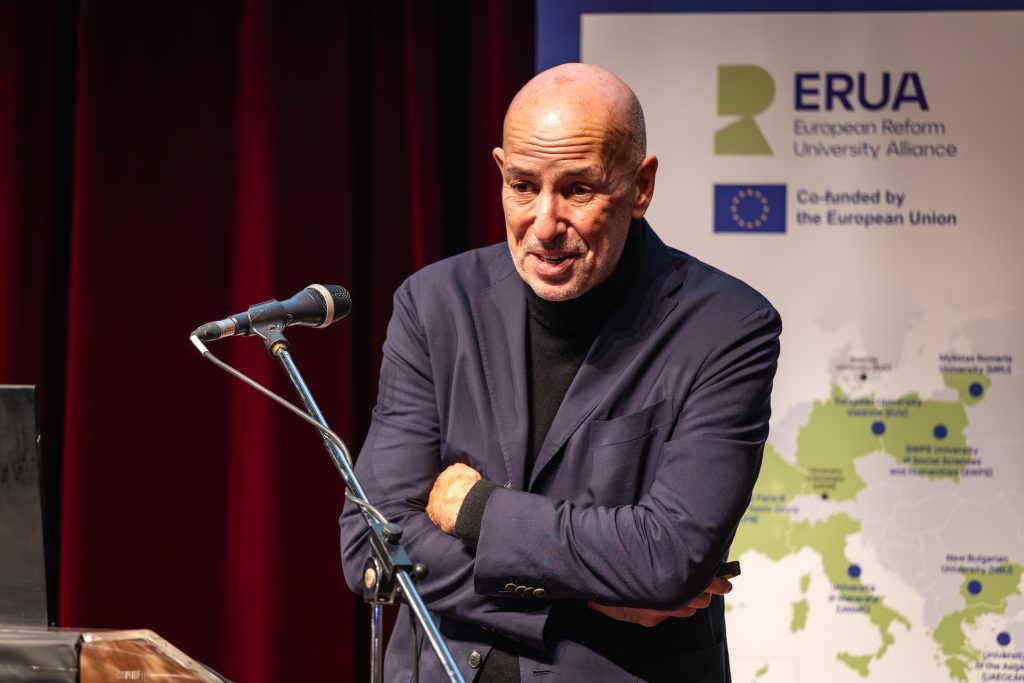
His statement was carried-on in later sessions where Dr. Christina Besta, Director General of the Hellenic Authority for Higher Education, explored the challenges of maintaining academic integrity in the digital era, while Professor Gabi Lombardo, Director of the European Alliance for Social Sciences and Humanities, urged alliances to be active voices in EU research policy:
“We need a stronger voice for social sciences and humanities in European science policy — they are central to how Europe understands itself.”
The connection between place, culture, and education was brought vividly to life by Professor Armand Leroi of Imperial College London, who reflected on Lesvos’ intellectual legacy:
“Lesvos could become a living laboratory for sustainable living and creative innovation in the 21st century.”
Students and Sustainability: The Blue Commission
Student engagement was at the heart of the Summit. Over 100 students from all eight ERUA universities presented the Blue Commission Manifesto on Sustainability, outlining proposals to integrate sustainability principles into every layer of the alliance’s governance and curriculum.
The alliance leadership reaffirmed their commitment to the vision of the manifesto, pledging to begin implementation “step by step” across ERUA’s actions.
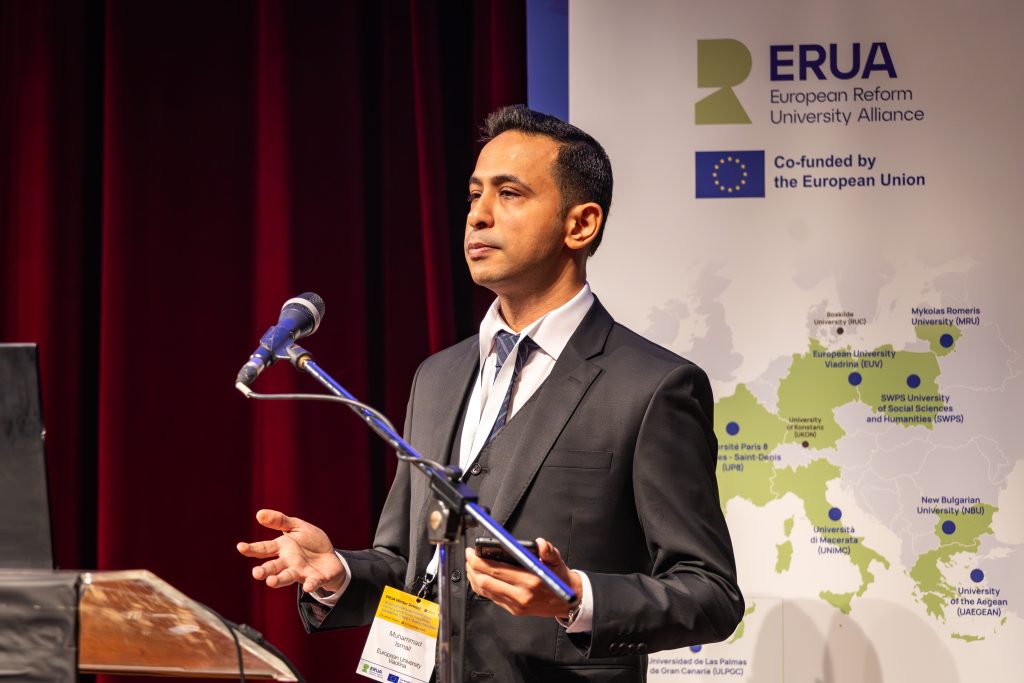
As Muhammad Ismail, ERUA Student Representative from the European University of Viadrina, highlighted:
“ERUA is a student-centered alliance, not just in words but in action.”
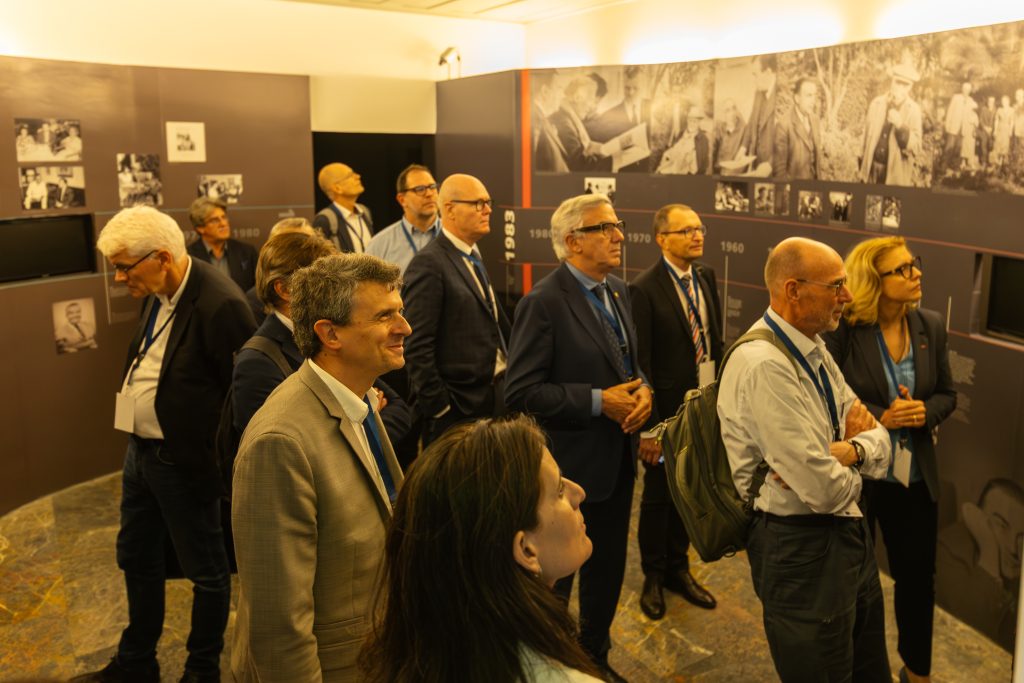
The students engaged in field visits, such as the trip to the migrants camp of the island and the visit to “Aegean Recycling” station, that offered participants direct insights into the social and environmental challenges shaping contemporary debates in a fast-changing society. The educational activities ended with a student-led tree-planting initiative, symbolizing their collective commitment to sustainability and to ERUA’s long-term vision.
Overall, the Winter School not only strengthened the Alliance’s student-centred and reformist educational approach, but also created a powerful sense of community, collaboration, and shared purpose across the ERUA network.
Strategic Reflections on ERUA’s Long-Term Vision
A key highlight of the Summit was a forward-looking session dedicated to the future of the alliance beyond the current funding period. The discussion brought together the Board of Rectors, Advisory Board, and Steering Committee to reflect on ERUA’s strategic evolution and the progress made in implementing its long-term vision. Participants examined insights from the alliance’s external evaluation and engaged in in -depth group discussions on the key dimensions of ERUA’s future.
To explore these topics in depth, participants worked in three thematic groups. One group focused on governance and financial sustainability, exploring how the new legal entity can strengthen ERUA’s structures and ensure continuity. Another addressed the alliance’s shared reform identity, reimagining how ERUA can remain both a driver of transformation within universities and a catalyst for wider societal change. The third group looked at long-term strategies across education, research, and societal engagement, identifying ways to enhance learning quality, expand research collaboration, and deepen community impact. This collective reflection exemplified ERUA’s strength as a truly collaborative alliance – one that builds its future through dialogue, shared vision, and a commitment to lasting reform.
We would like to extend our gratitude for the active participation of Kees Kouwenaar, Gabi Lombardo, Octavi Quintana, Giedrius Viliūnas, Margot Vanduynslager, members of the ERUA Advisory Board, who greatly enriched the Summit discussions, bringing valuable perspectives and reinforcing the alliance’s collective vision for the future.
Closing Reflections: Connection, Courage, and Continuity
The ERUA Community has given special recognition to Bruna Vives for her exceptional leadership as ERUA’s first Secretary General:
“She has carried out her duties with great energy and determination right up to this Summit…and deserves our gratitude and thanks.”
The reflection of Maxime Cacciutolo Heidel captured the spirit of the entire event:
“Now we are sure that we truly are Agents of Change, transforming people’s lives”
The message was clear:
ERUA continues to chart a collective path from the edges to the center of Europe, redefining higher education through curiosity, collaboration, and courage.
Read the Rectors’ Speeches:
Professor John Mc Court – Rector of the University of Macerata.
Professor Inga Žalėnienė – Rector of Mykolas Romeris University (MRU)
Professor Arnaud Laimé – Rector of Université Paris 8