
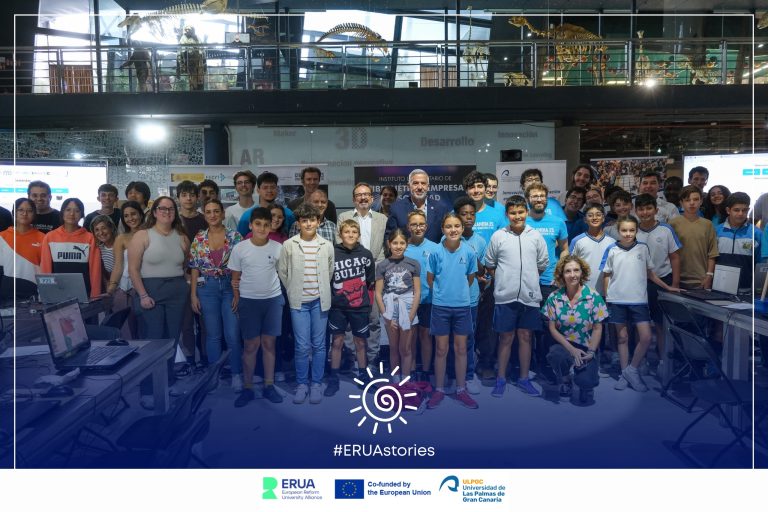
Within the next few weeks, we would like to tell the stories of imagination that ERUA and its member universities have been engage with. So starting from this week, we will present one story per week, featuring an initiate that has laid the grounds for our Universities, to become the drivers of change in our society and in Europe. Today we start with a story from Las Palmas.
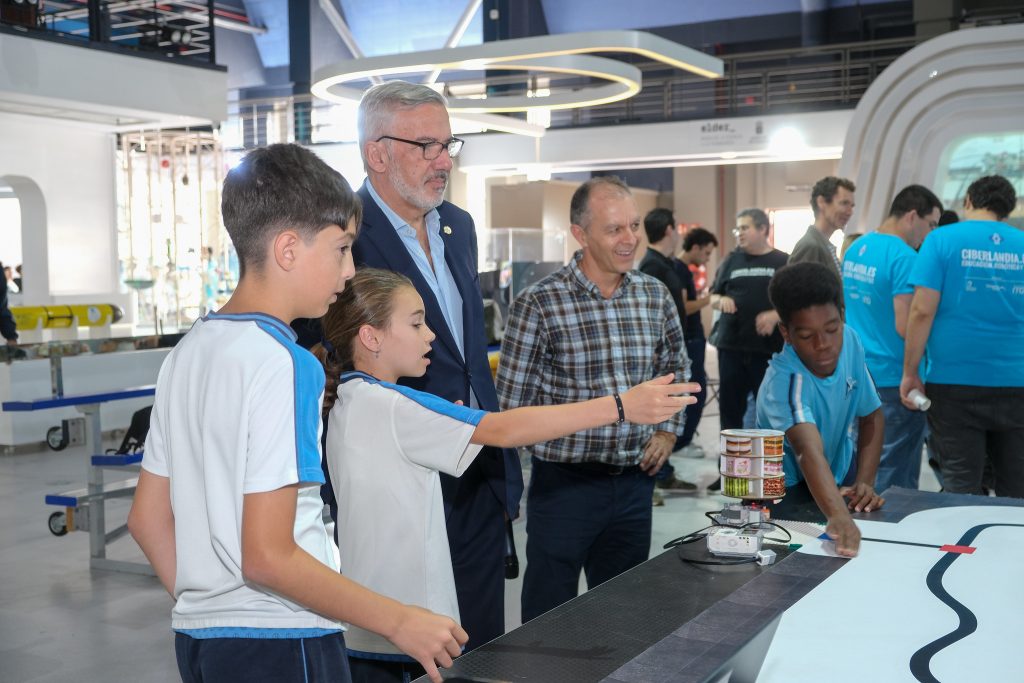
The IUCES ULPGC’s Ciberlandia teaching innovation project concludes with the participation of more than 2,000 people.
This project brings together science and technology closer to the classroom by organising workshops with robotics as the main protagonist.
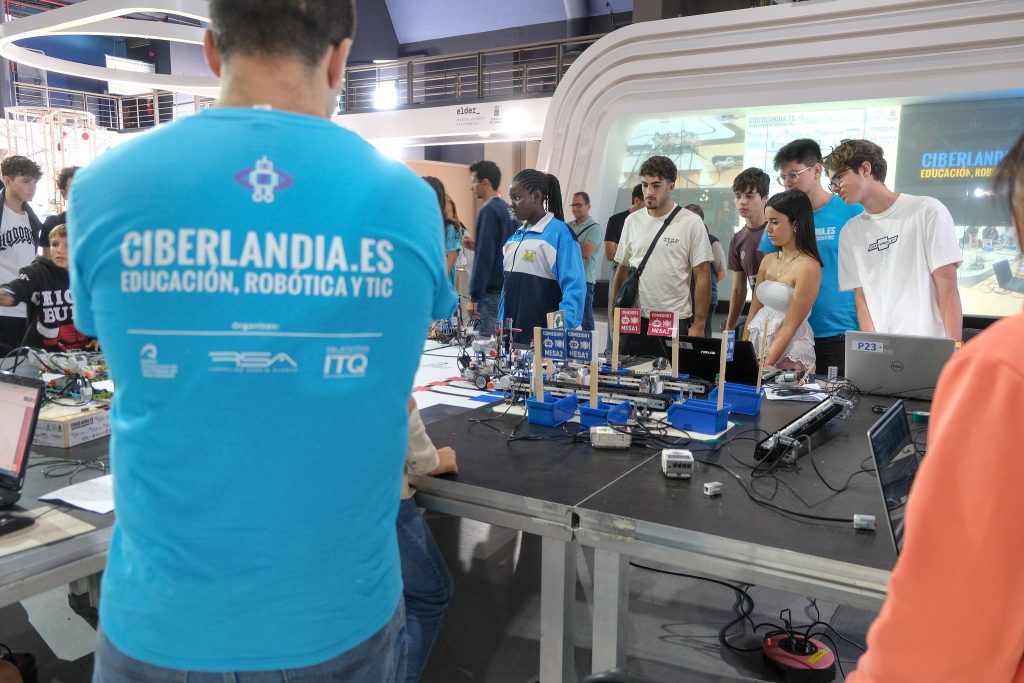
Robotics is considered to be a very powerful educational tool as it allows the development of learning scenarios that are very attractive, making it possible to carry out comprehensive educational projects from the point of view of competence. In the workshops organised, robotics is the main protagonist. A multidisciplinary branch that integrates different disciplines such as physics, mathematics, electronics, mechanics and computing.
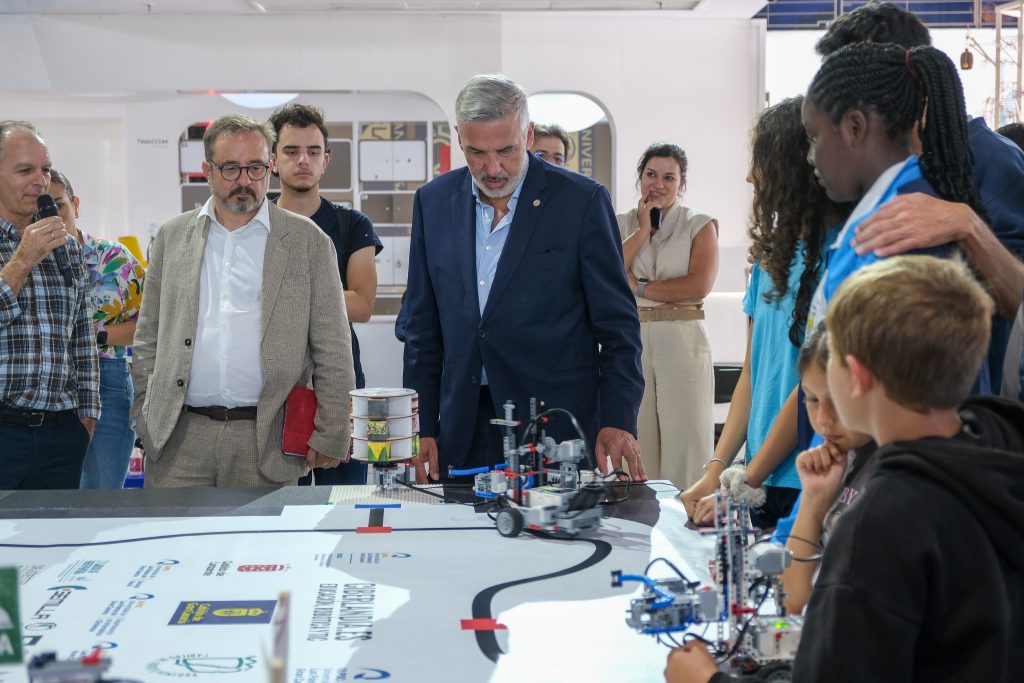
In this edition, more than 2,000 studentes from 72 schools have approached science and technology thanks to the collaboration of university students who have carried out internships, immersed in this project of educational innovation and scientific dissemination organised by the Institute of Cybernetics, Business and Society of the ULPGC, and with the support of island institutions of Gran Canaria, Fuerteventura and Lanzarote.
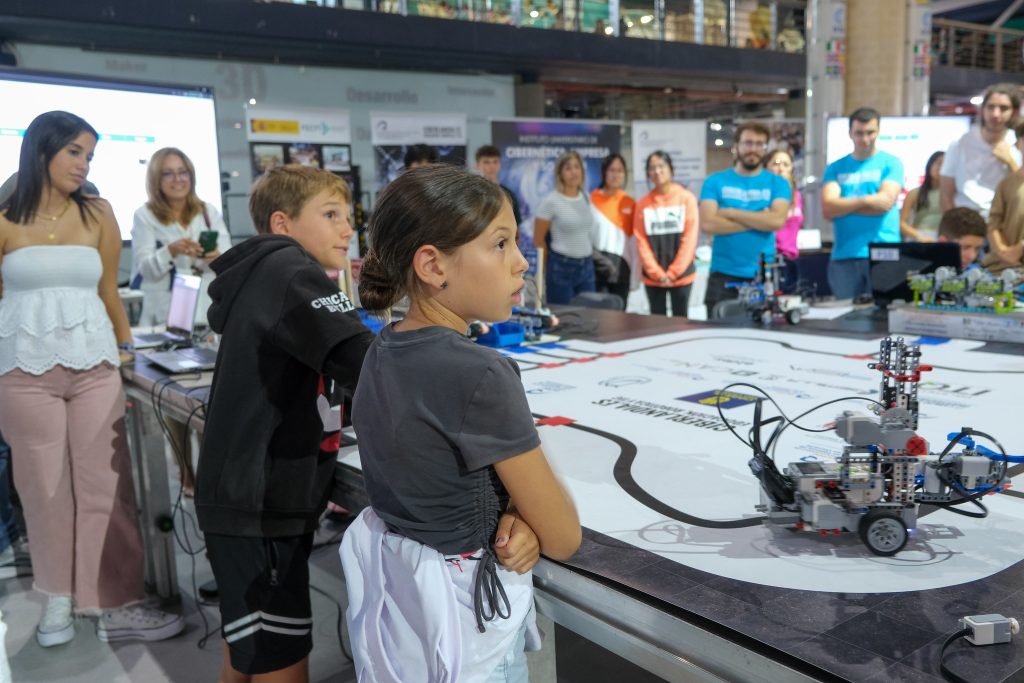
Around robotics, the participating schoolchildren develop thinking and construction skills while having fun building and bringing their own robots to life. Furthermore, through the format and content of the actions, they become aware of the social and economic usefulness of science and technology and their professional attractiveness.
On this occasion, workshops have been organised on omnidirectional units that fight fires on luminous boards, robotic heliostats that chase the sun at the top of a mountain range, smart factories that deal with parcel logistics…
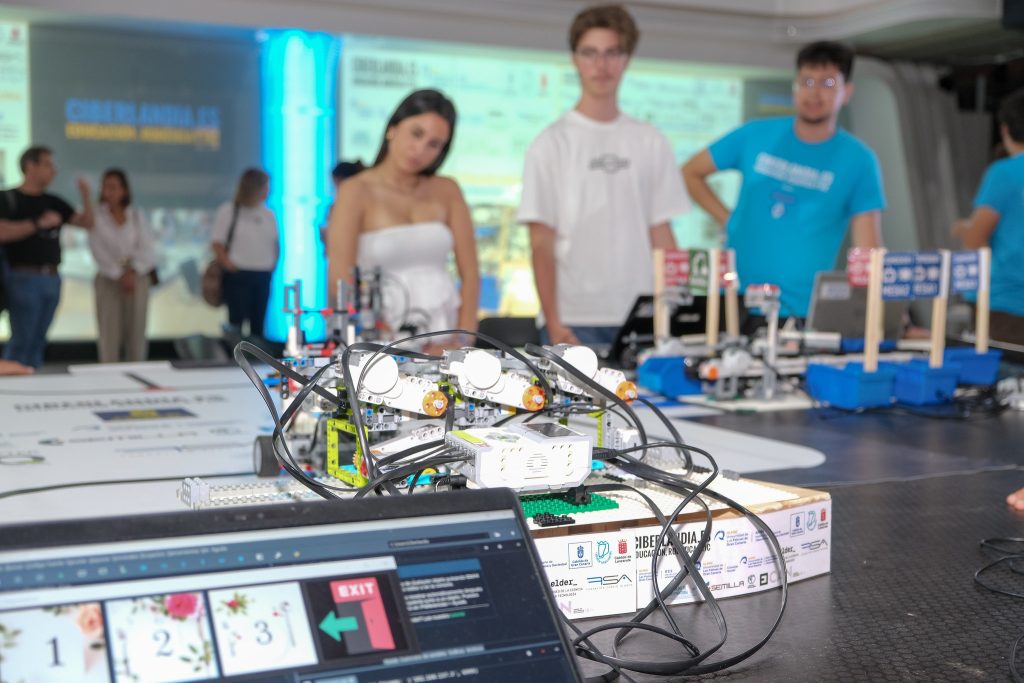
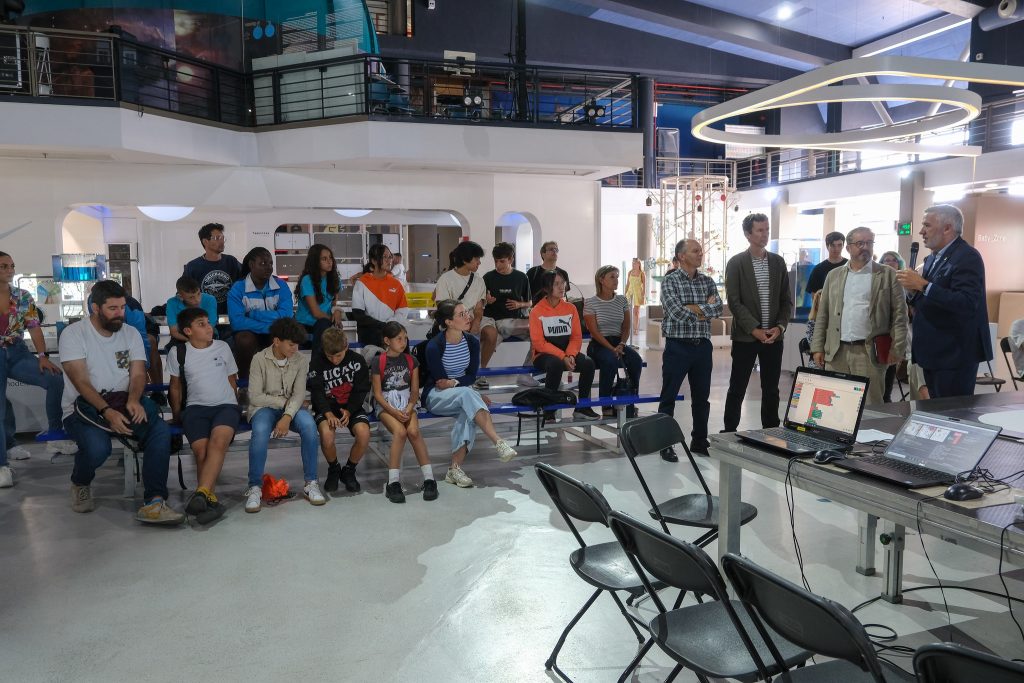
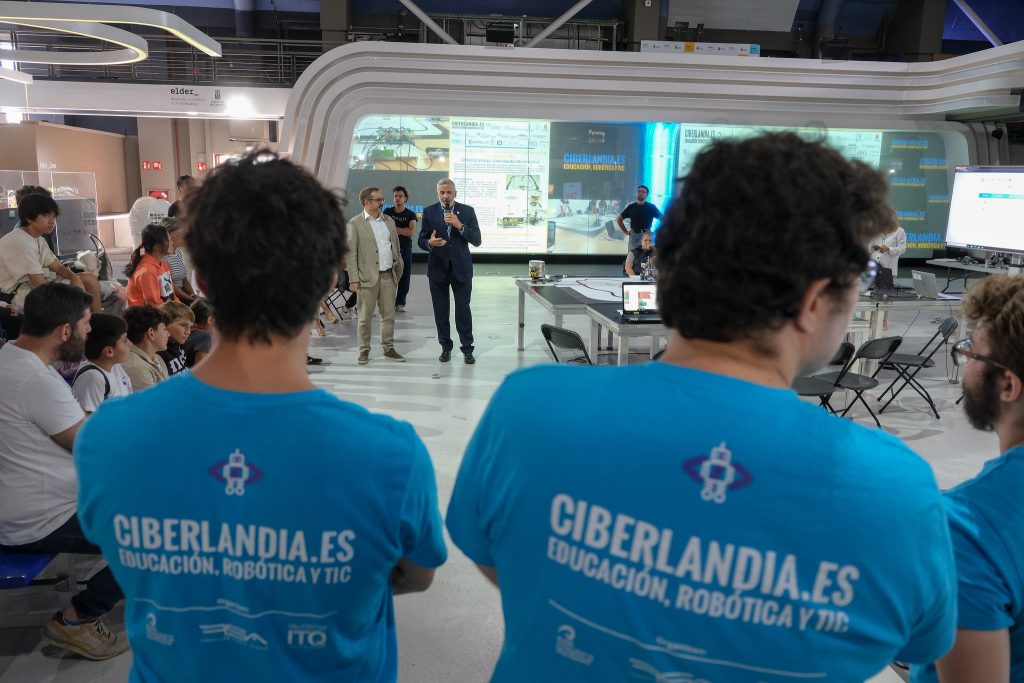
This edition concludes with an event held at the Elder Museum of Science and Technology, where the final is organised under the slogan “Ciberlandia Masterchef”, in which 32 students from Primary and Secondary Education have, as their mission, the digitalisation and automation of a restaurant, through the use of robotic systems that will manage the kitchen and customer service.
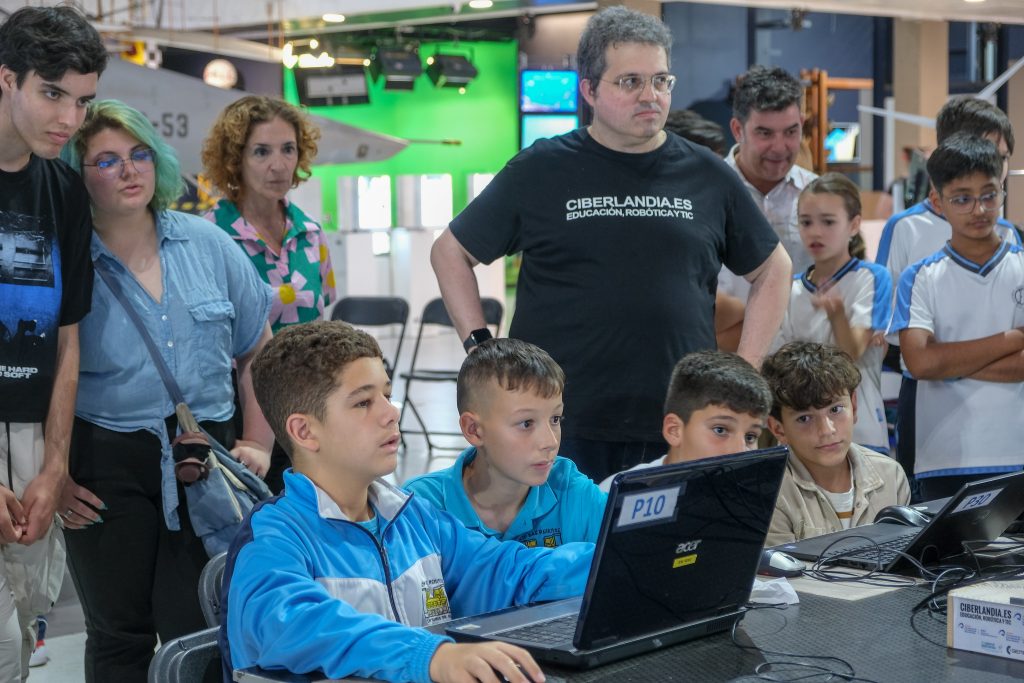
This innovative teaching project began in 2012, and since its inception almost 10,000 primary and secondary school students and teachers from Canary Islands have taken part.
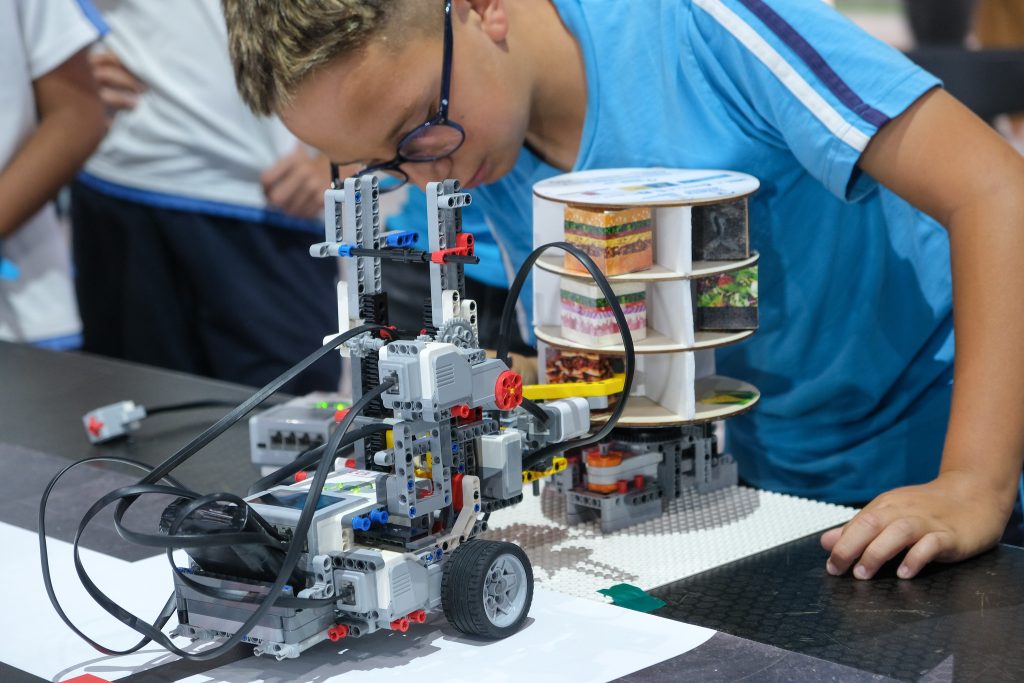
El proyecto de innovación docente Ciberlandia del IUCES ULPGC concluye con la participación de más de 2.000 escolares.
El objetivo es aproximar la ciencia y la tecnología a las aulas organizando talleres con la robótica como principal protagonista.
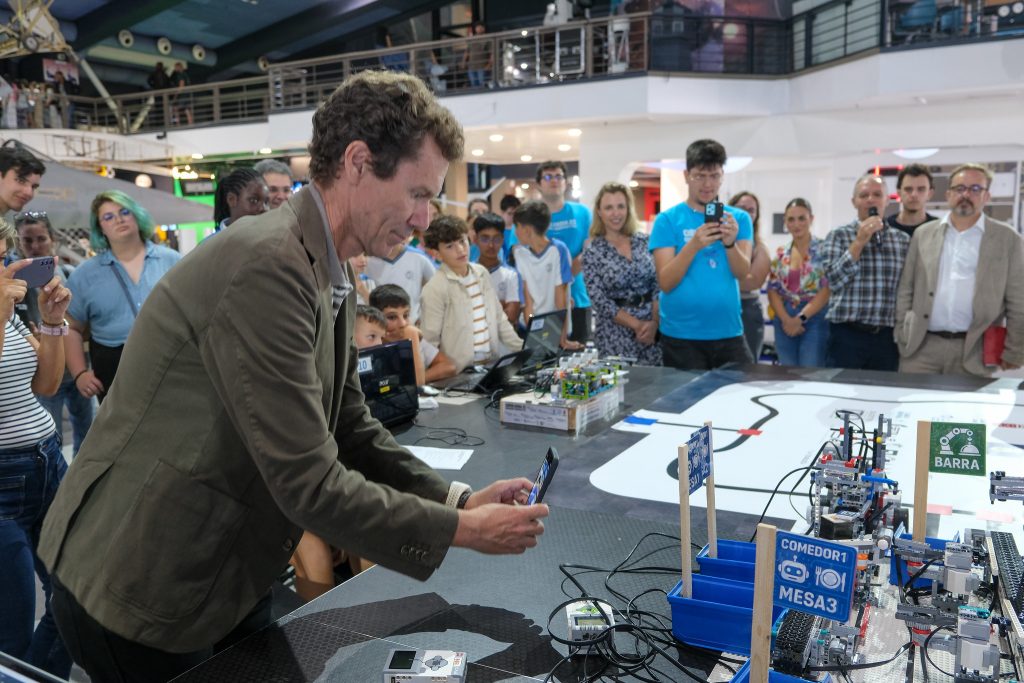
La robótica está considerada como una herramienta educativa muy potente pues permite desarrollar escenarios de aprendizaje que resultan muy atractivos, posibilitando la realización de proyectos educativos integrales desde el punto de vista competencial. En los talleres organizados, la robótica es la principal protagonista. Una rama multidisciplinar que integra diferentes disciplinas como la física, matemáticas, electrónica, mecánica o computación.
En esta edición más de 2.000 escolares de 72 centros se han aproximado a la ciencia y tecnología gracias a la colaboración de estudiantes universitarios que han realizado prácticas de empresa, inmersos en este proyecto de innovación educativa y de divulgación científica organizado por el Instituto de Cibernética, Empresa y Sociedad de la ULPGC, y con el apoyo de instituciones insulares de Gran Canaria, Fuerteventura y Lanzarote.
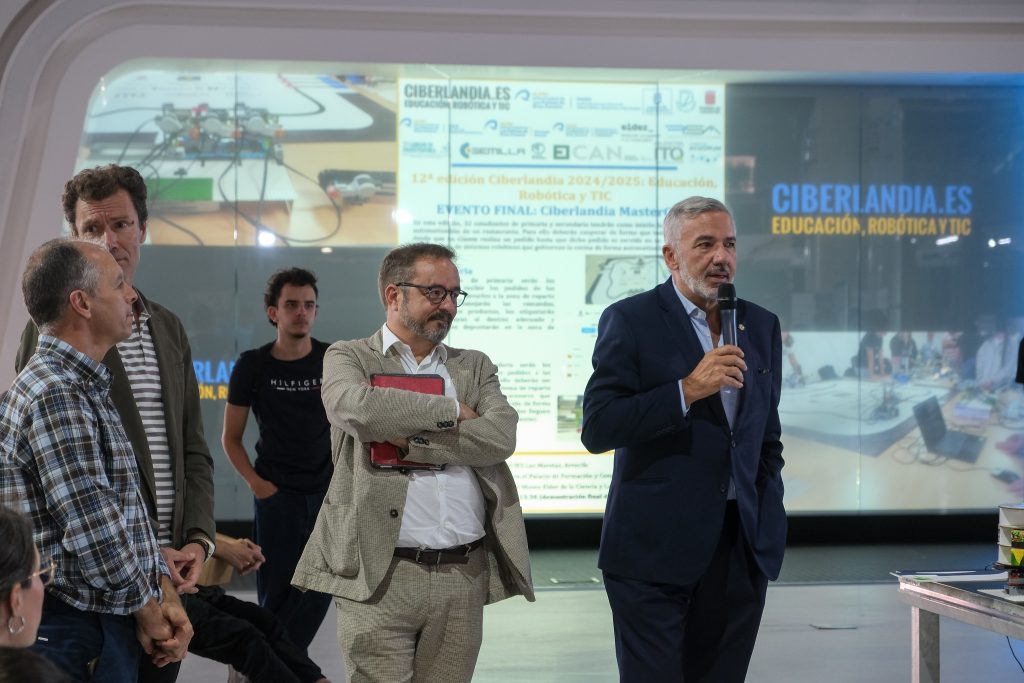
En torno a la robótica, los escolares participantes desarrollan habilidades de pensamiento y de construcción mientras se divierten construyendo y dando vida a sus propios robots. Además, por el formato y contenido de las acciones, toman conciencia de la utilidad social y económica de la ciencia y tecnología y su atractivo profesional. En esta ocasión se han organizado talleres sobre unidades omnidireccionales que combaten incendios sobre tableros luminosos, heliostatos robóticos que persiguen el sol en la cima de una cordillera, fábricas inteligentes que lidian con logística de paquetes…
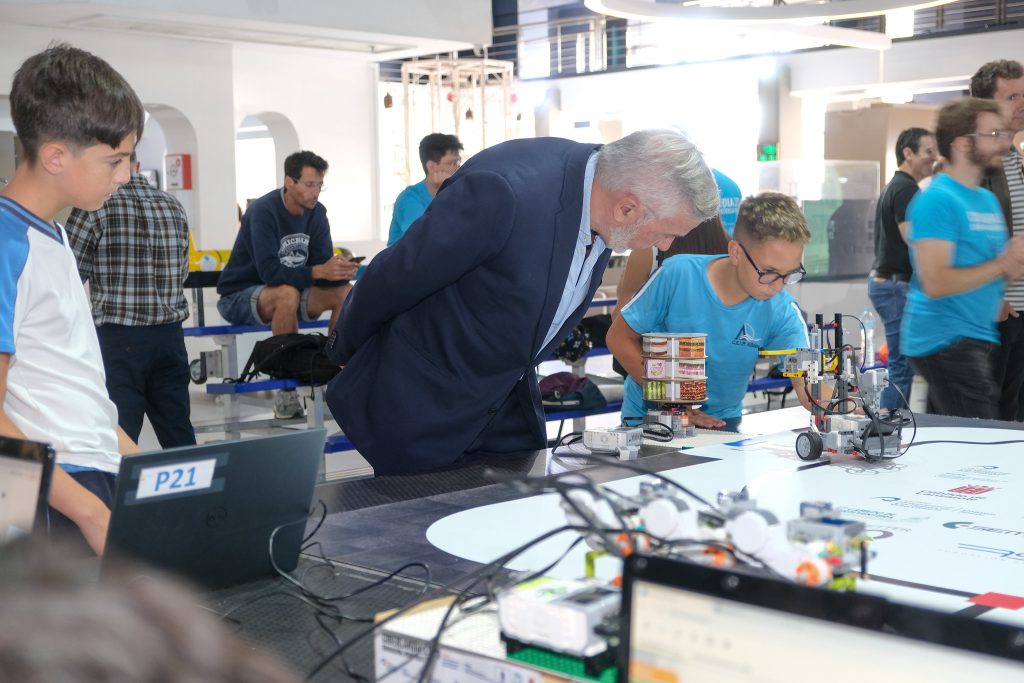
En esta edición se concluye con un acto celebrado en el Museo Elder de la Ciencia y la Tecnología, en donde se organiza la final, bajo el lema ‘Ciberlandia Masterchef’, en la que 32 estudiantes de Educación Primaria y Secundaria tienen, como misión, la digitalización y automatización de un restaurante, a través del uso de sistemas robóticos que gestionarán la cocina y la atención del cliente.
Este proyecto de innovación docente nació en el año 2012, y desde sus inicios han participado casi 10.000 escolares y docentes de Educación Primaria y Secundaria de las islas Canarias.